Category Archives: Writing

Sackcloth on Skin: try everything!

img_8846

The motto for 2017. Try everything.

This is the year that I will try to find a publisher for Sackcloth on Skin. I’m arriving at this point about a year later than I perhaps expected to, but I think that’s probably a good thing. In some ways not much has happened in the past year – but I’ve been through the book several times and it’s much better for all that editing than it was a year ago. And most importantly, Moniack Mhor happened. I wrote about my week at Scotland’s creative writing centre here. It definitely helped the book, and perhaps more significantly it helped my mindset as a writer. It was the first time I’d shared this book with anyone else, and it was such an encouragement to realise that people seemed to believe it was worth something. It also took away some of my impatience and stress about what should happen next.

But I can’t sit in this waiting room for ever. Three or four years ago I decided it was time to stop dreaming and to actually get on and write this book. Now once more it’s time to stop dreaming and  get on and look for a publisher. I may not succeed, but I need to try. And I am under absolutely no illusions about how difficult that will be, and how resilient I will have to be to cope with rejection. I remember how tough it was trying to get War Classics published, and that wasn’t part of me in the way this book is.

When I was speaking about publication at Moniack Mhor with one of the tutors she said ‘try everything’. Not in some scattergun approach – I have a very clear plan of who I want to approach and why – but if one avenue doesn’t work out try another. Don’t give up. So that is my plan for 2017. Try everything.

I have a plan, but unexpected opportunities may come along. On 6 January there was a twitter event held by XpoNorth offering the chance to tweet a pitch for your book. In the spirit of Try everything I had a go. And guess what, it didn’t change the world, it didn’t lead to a publishing deal –  but it was fun. I’ve only dabbled in twitter before so even the process of composing my tweet was an absorbing challenge, and reading all the other tweets was unexpectedly addictive. This was mine:

@florajo14
1688 woman in sackcloth, pregnant, betrayed. Grief as Renwick hangs. 2013 roadtrip thru Scotland’s spiritual landscape. Love echoes. #xpob

So 2017 is the year I will try to find a publisher, and the voice in my head repeats Try everything. Deep breath … bring it on!


© All content copyright Flora Johnston. You may reblog or share with acknowledgement, but please do not use in any other context without permission.

 

Moniack Mhor: a spacious place


img_8837

Moniack Mhor is Scotland’s Creative Writing Centre, nestling in the hills near Beauly. Throughout the year it offers a wide range of courses and retreats. Last week’s Historical Fiction course was led by Margaret Elphinstone and Isla Dewar, with James Robertson as guest reader. It was both a privilege and a pleasure to be there, thanks in part to the generous support of the Bridge Awards.

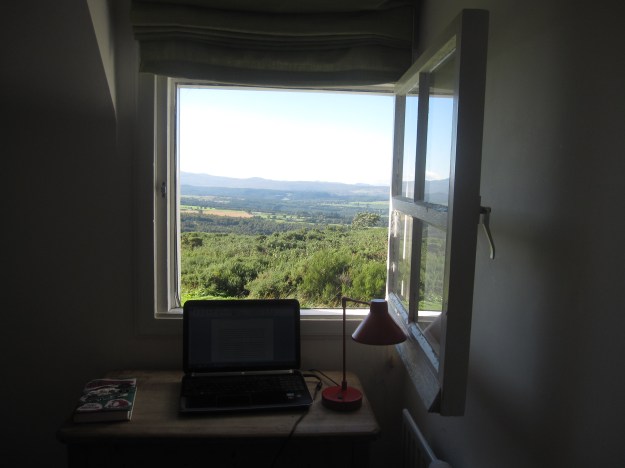
The centre is ideal for its purpose, full of character with stone walls and a wood burning stove and a spectacular setting. The weather was typically Highland, ranging from stunning blue skies to a mist which clung to the landscape for a whole day, and then a storm which shook the windows as we shared our work on the final evening. My room was simple, with a plain wooden desk set at the window overlooking the hills. Whenever possible I worked with the window wide open –  a spacious place indeed.

img_8846

The course offered practical workshops in the morning which were both fun and demanding, and one-to-one tutorials with the tutors in the afternoons. There was plenty of opportunity to think, to walk and of course to write. It was great to spend time and share ideas with such a supportive, fun and interesting group of people.

I’ve come home rested yet challenged, inspired and encouraged, with increased confidence in what I am doing and a determination to build more protected writing time into my week. I also came home with a ‘to do’ list relating to my novel Sackcloth on Skin, but the way the mind works is a strange thing. Two days after returning, with conversations and words and ideas still replaying in my head, I suddenly saw a fresh way of resolving something which has bothered me about the book. If only I could have had that thought while I was at Moniack, with the chance to talk it over with others … but on the other hand it’s good that the creative process wasn’t left behind with the peace and the scenery! So there may now be a bit more rewriting to be done than I’d anticipated, but hopefully in the long run that will be a good outcome of having spent my week at Moniack Mhor.

More soon ….


© All content copyright Flora Johnston. You may reblog or share with acknowledgement, but please do not use in any other context without permission.

Escape from Balranald House

IMG_8135

Balranald House

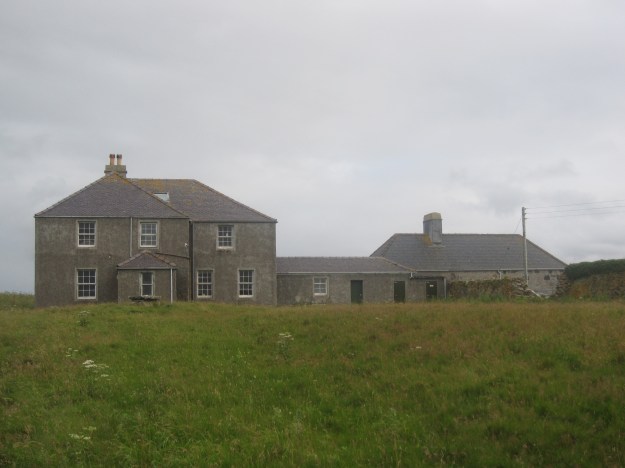
We’ve just returned from another wonderful holiday in North Uist, in the Outer Hebrides. This time the cottage we were staying in was a beautiful conversion of outbuildings once belonging to Balranald House. From one of the windows we could see Balranald House, built in 1832, which was the home of James Macdonald (also known as Seumas Ruadh), factor to Lord Macdonald.

IMG_7903

I ‘got to know’ the Macdonalds of Balranald in my research for Faith in a Crisis: famine, eviction and the church in North and South Uist (Islands Book Trust, 2012). James Macdonald was part of a close network of power and influence which profoundly affected the lives of those trying to survive on the land in Uist. His brother John lived in Rodel House on Harris and was factor to the Earl of Dunmore; his sister Isabella was married to Finlay Macrae, minister of the Established Church in North Uist who lived on Vallay (see earlier post).  I could see the ruins of Finlay’s church at Kilmuir through another window of the cottage.

In 1850, the Macdonalds of Balranald were at the heart of a romantic drama which was reported in newspapers throughout Scotland. Twenty-one year old Jessie was in love with Donald Macdonald of Monkstadt, Skye, but her father Seumas Ruadh wanted her to marry Patrick Cooper. He was an Aberdeenshire man who was trustee for the heavily indebted Macdonald estates and the main instigator of the recent Sollas evictions. A marriage to Seumas’s daughter would have further strengthened important ties.

In February 1850 Cooper proposed to Jessie. In desperation she wrote to her lover, and the two decided to elope. With the help of Donald’s servant they fled from Balranald House by night, Jessie by all accounts in high spirits all the way to Lochmaddy. But it was a stormy night, and while making for Skye they were swept off course to Harris. By this time the alarm had been raised, and they were discovered by Jessie’s uncle, John of Rodel. Jessie was taken to Rodel House where she was held captive, her aunt sleeping in the bedroom with her to prevent another escape.

Donald meantime returned to Skye, where he gathered some friends and sailed to Harris to rescue Jessie by night. Newspaper accounts state that ‘Mr Macdonald (Rodil) came out of his house in his shirt and drawers, swearing at them as if he was mad.’ Somehow, in the ensuing confusion, Jessie and Donald managed to make their escape. They fled to Edinburgh where they were later married, but Seumas Ruadh and John of Rodel, together with Patrick Cooper, were not likely to accept such defiance. Donald Macdonald was charged with breaking into Rodel House and with assault, but he was cleared – to cheers from the public gallery. The young lovers had excited public sympathy.

Jessie and Donald were married on 22 April in St Cuthbert’s parish, Edinburgh. Church of Scotland marriages required banns to be proclaimed on three separate occasions in the home parish of both bride and groom. In what may have been an attempt by Finlay to lend some belated respectability to the affair, an intriguing entry in the Kilmuir marriage register reads:

Donald MacDonald Tacksman of Baleloch to Jessie Cathrine MacDonald daughter of James Thomas MacDonald Esquire Tacksman of Balranald 31st March 1850.’

It’s interesting to notice that the very next entry in the Kilmuir register records the marriage of another Balranald daughter, Elizabeth, to a Skye minister, also in April 1850. This entry states that the banns were ‘proclaimed in the Parish Church in North Uist in the regular and normal manner’ – a statement that is not made with regard to Jessie’s marriage. No doubt Elizabeth’s wedding was a much happier occasion for the family!

Jessie and Donald eventually emigrated to Australia, but their dramatic story illustrates just how closely factor, minister and land agent were bound together at this critical time in Uist’s history, a theme which I explore in more detail in the rest of the book.

[adapted from Flora Johnston, Faith in a Crisis: famine, eviction and the church in North and South Uist, Islands Book Trust 2012]


© All content copyright Flora Johnston. You may reblog or share with acknowledgement, but please do not use in any other context without permission.
Emerging Writer Award – Sackcloth on Skin

I’ve had another project going on in the background for the last two or three years: my novel, Sackcloth on Skin. It’s set partly in seventeenth-century Scotland, with a smattering of St Andrews in the 1990s and a 2013 road trip thrown in, and explores Scotland’s spiritual landscape and heritage.

In January I came across the Emerging Writer Award, a joint venture between Moniack Mhor Creative Writing Centre and the Bridge Awards, and decided there was no harm in applying. I sent them the opening few pages of the book together with an outline of the whole novel, and was overjoyed to be awarded ‘highly commended’.

http://www.moniackmhor.org.uk/writers/the-bridge-awards/

There’s a long way to go, but it’s great to have a vote of confidence in what I’m doing with this book.

Very kindly they have awarded me a subsidy towards attending one of their courses, so I’ve booked on a course led by some of the writers I most admire and am somewhat nervously anticipating that experience! I’ve always been very much a solitary writer, particularly when it comes to my fiction, so opening up about this is extremely daunting – but it has to happen.

Looking forward to being able to share more as the months progress.

© All content copyright Flora Johnston. You may reblog or share with acknowledgement, but please do not use in any other context without permission.
 

Deeside discoveries – Migvie, Glen o’ Dee and Dunnottar

We spent most of last week exploring Deeside in the sunshine. There were various historical sites we planned to see, but it’s often the hidden places you come across unexpectedly which catch the imagination. Here are just a few…

Migvie Church

IMG_5596      IMG_5600

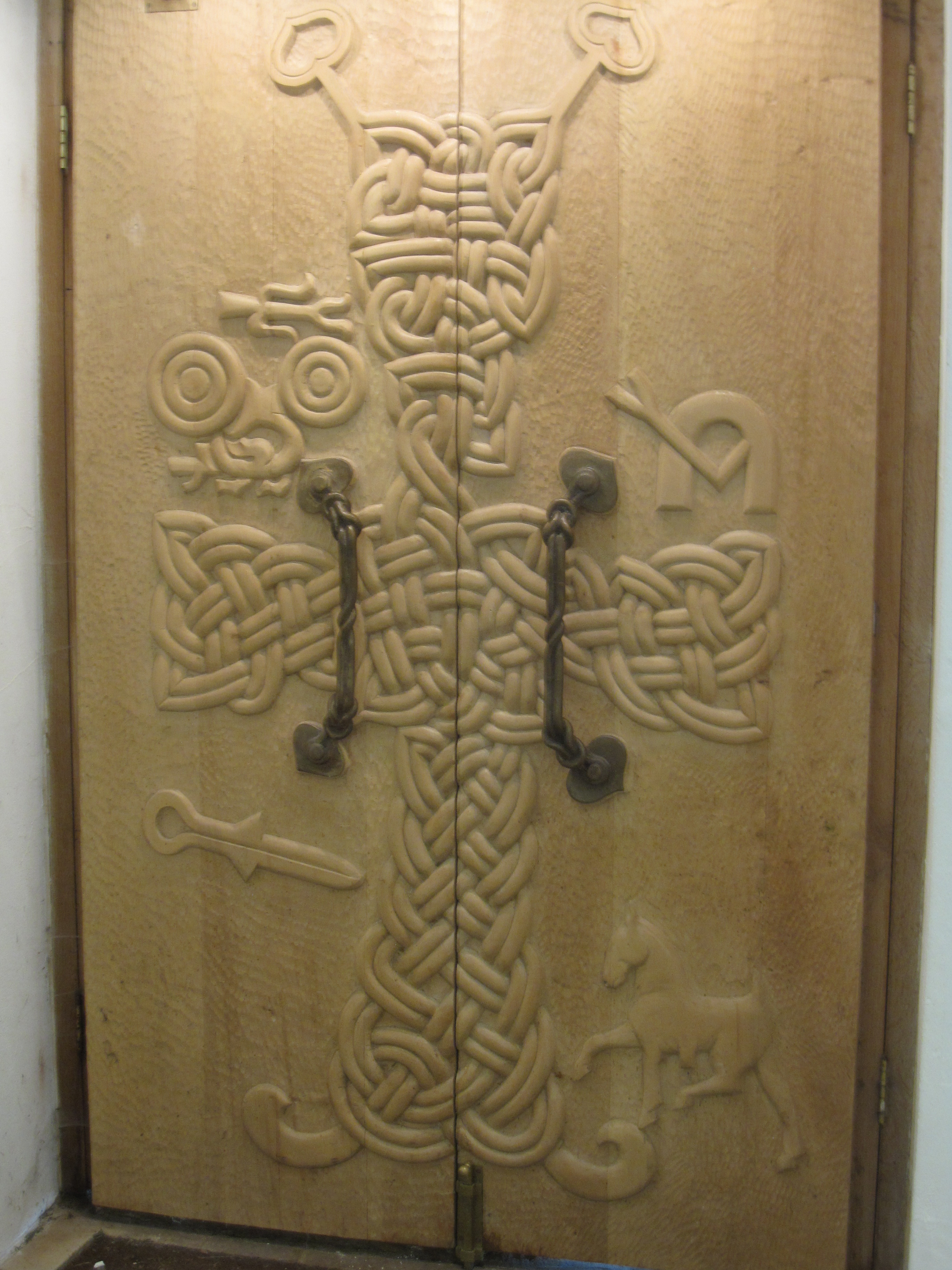
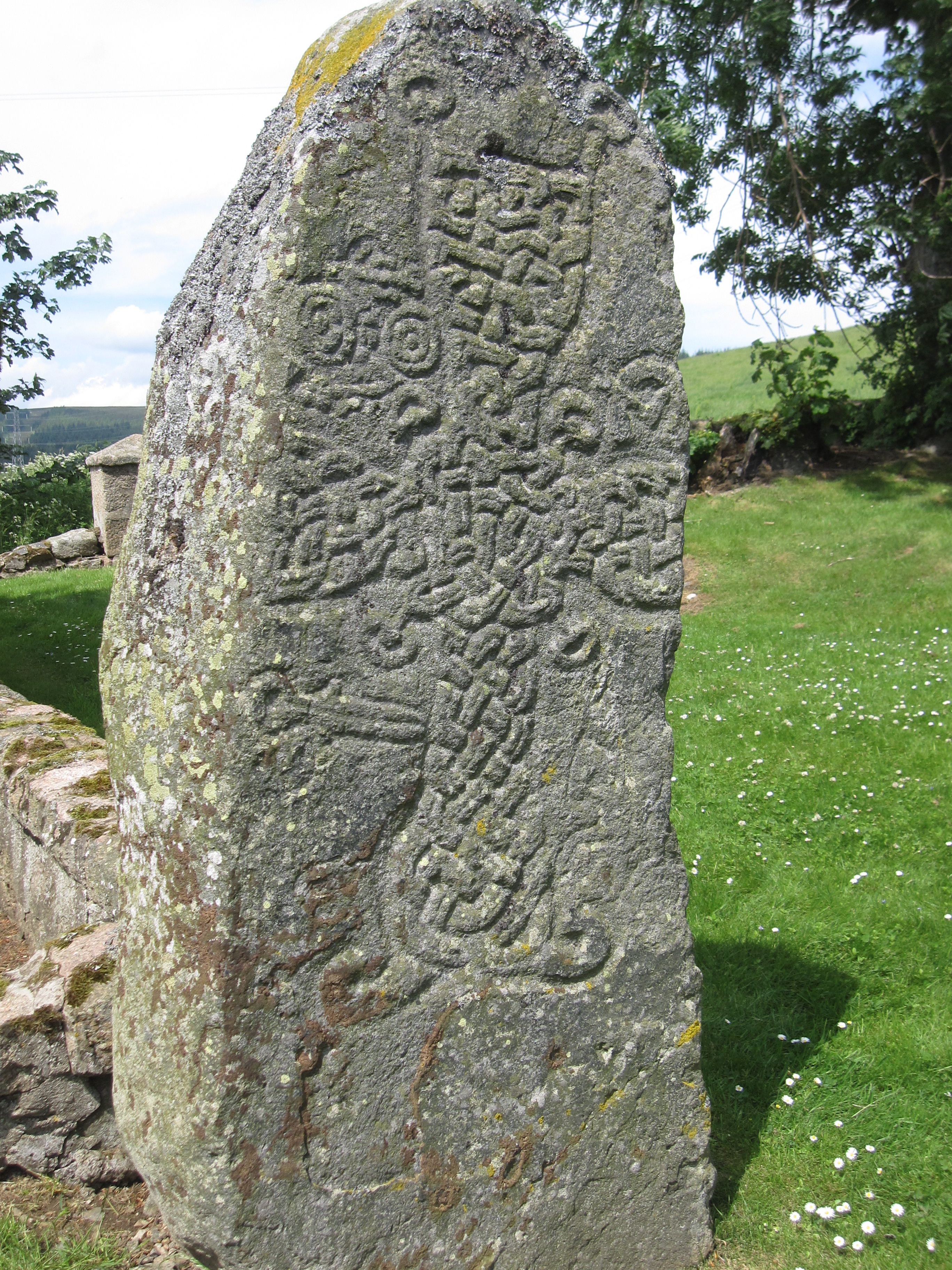
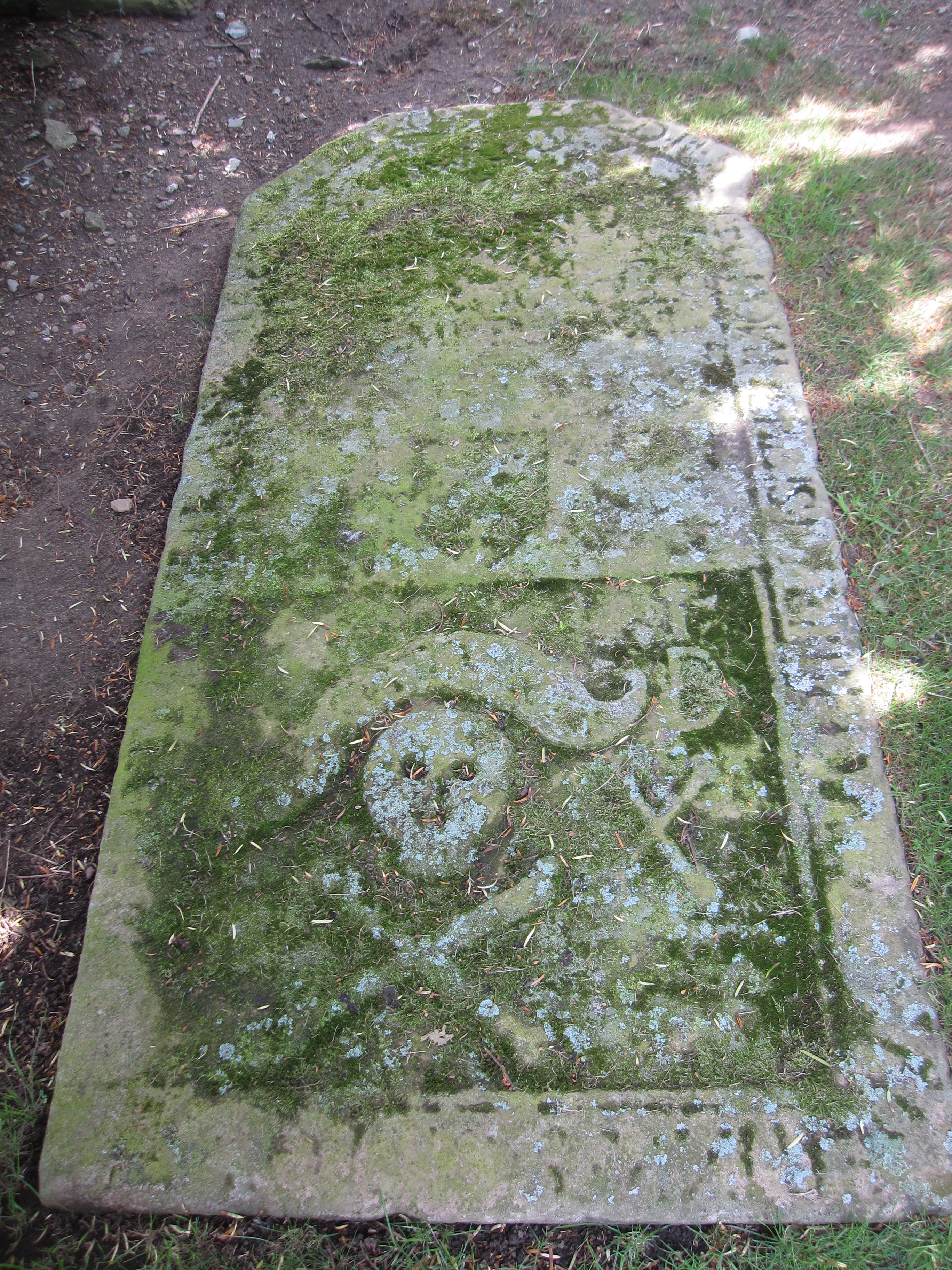
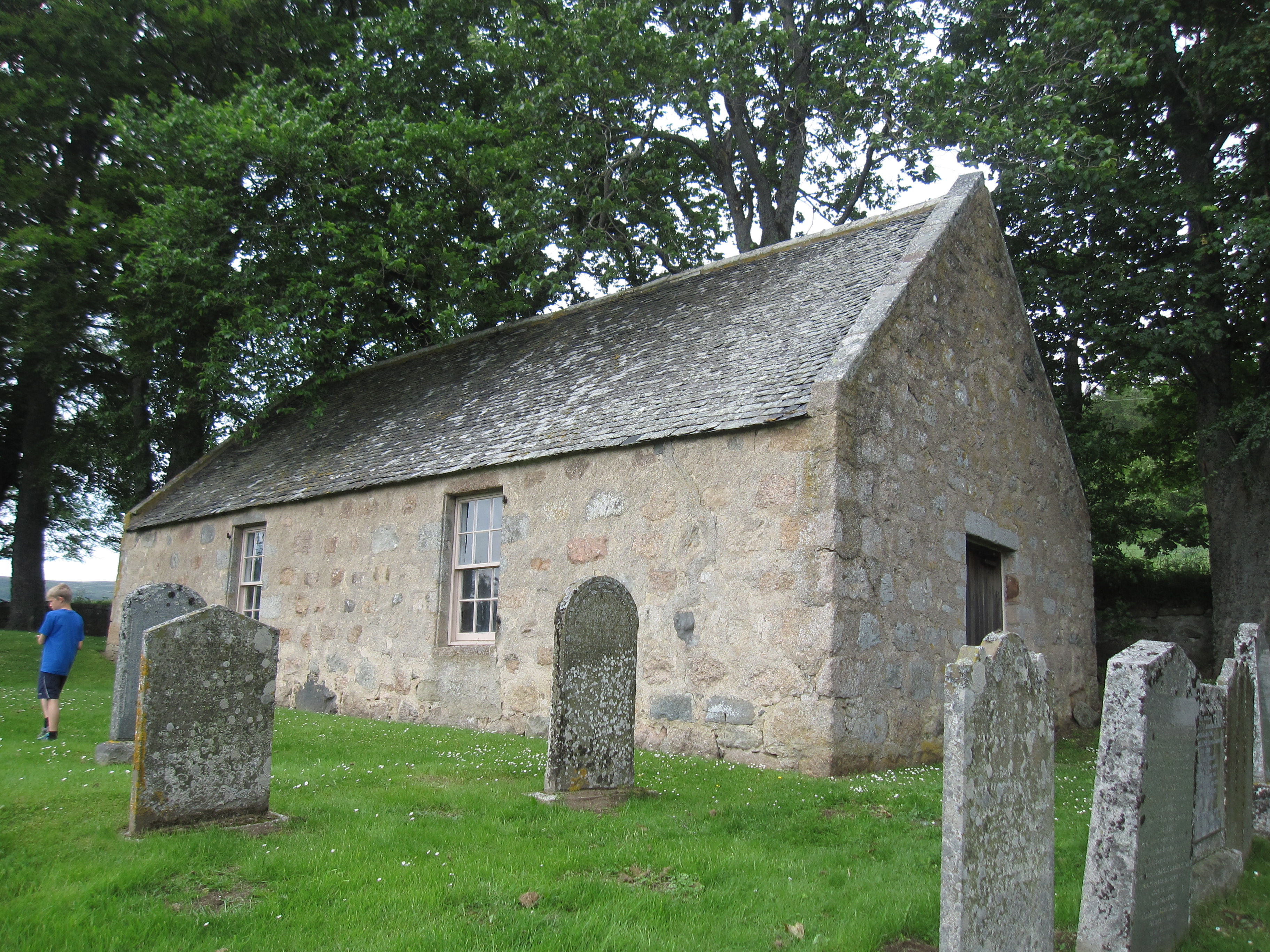
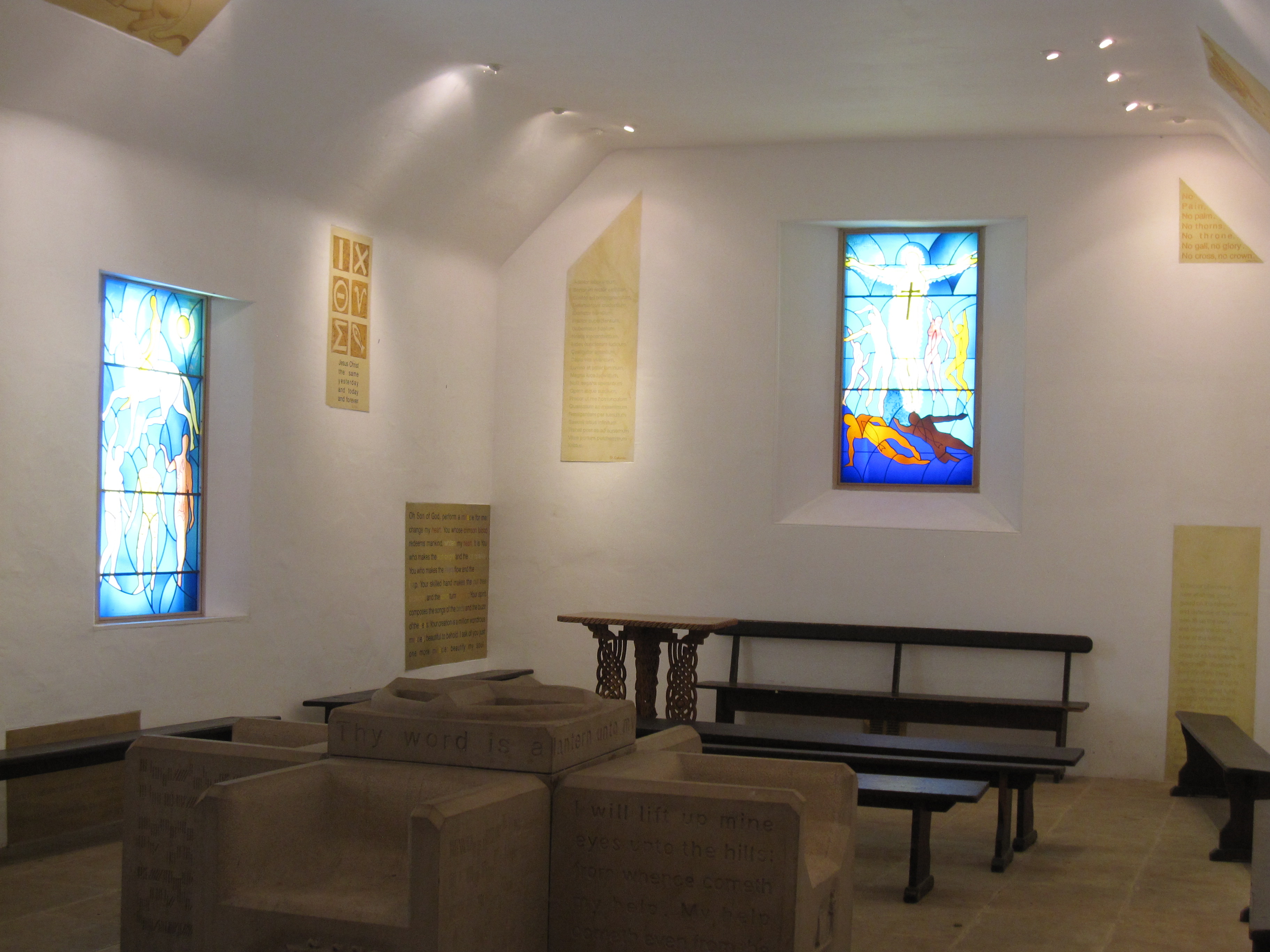
We tracked down Migvie Churchyard in search of this Pictish symbol stone, which was well worth seeing. There was an interesting 17th-century graveslab nearby too. There was, we noted, no sign outside the church, but it’s always worth trying the door of a country church. What we found inside was utterly astonishing.

IMG_5622IMG_5619

The building was painted white, lit through beautiful coloured stained glass windows, and furnished and decorated with painting, stonework and woodwork which incorporated many Celtic and Pictish saints and symbols as well as verses from Scripture and other writers.

It turned out to be the work of local craftspeople, commissioned by Philip Astor (of the Astor family, and married to the writer Justine Picardie), who owns Tillypronie estate, as a memorial to his parents. I’m not sure how it is used, but it was a place of real beauty and peace, thought-provoking, and somewhere I could easily have spent far longer than we were able to.

IMG_5615IMG_5616IMG_5611IMG_5617

Glen o’ Dee Hospital

IMG_5579

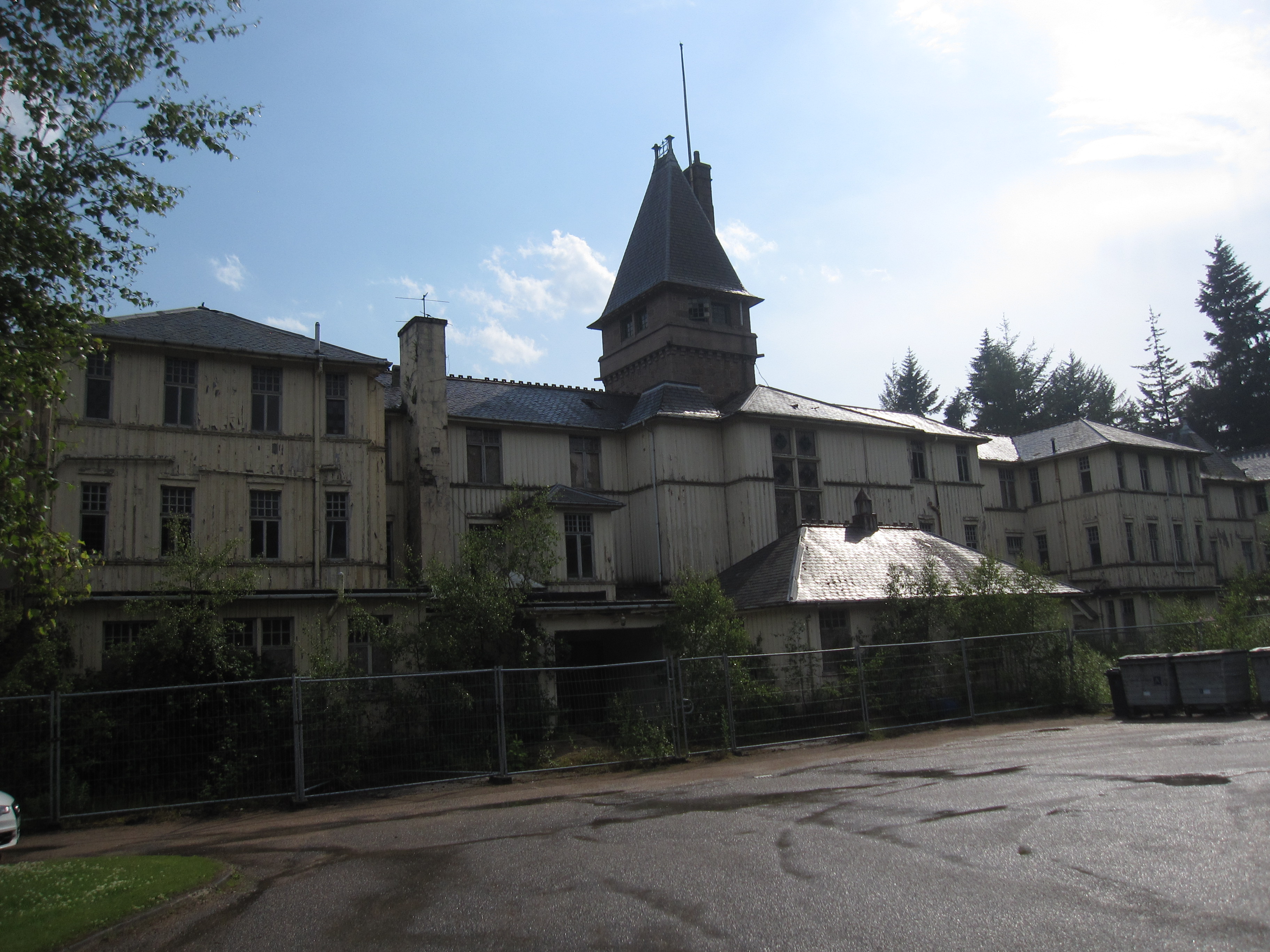
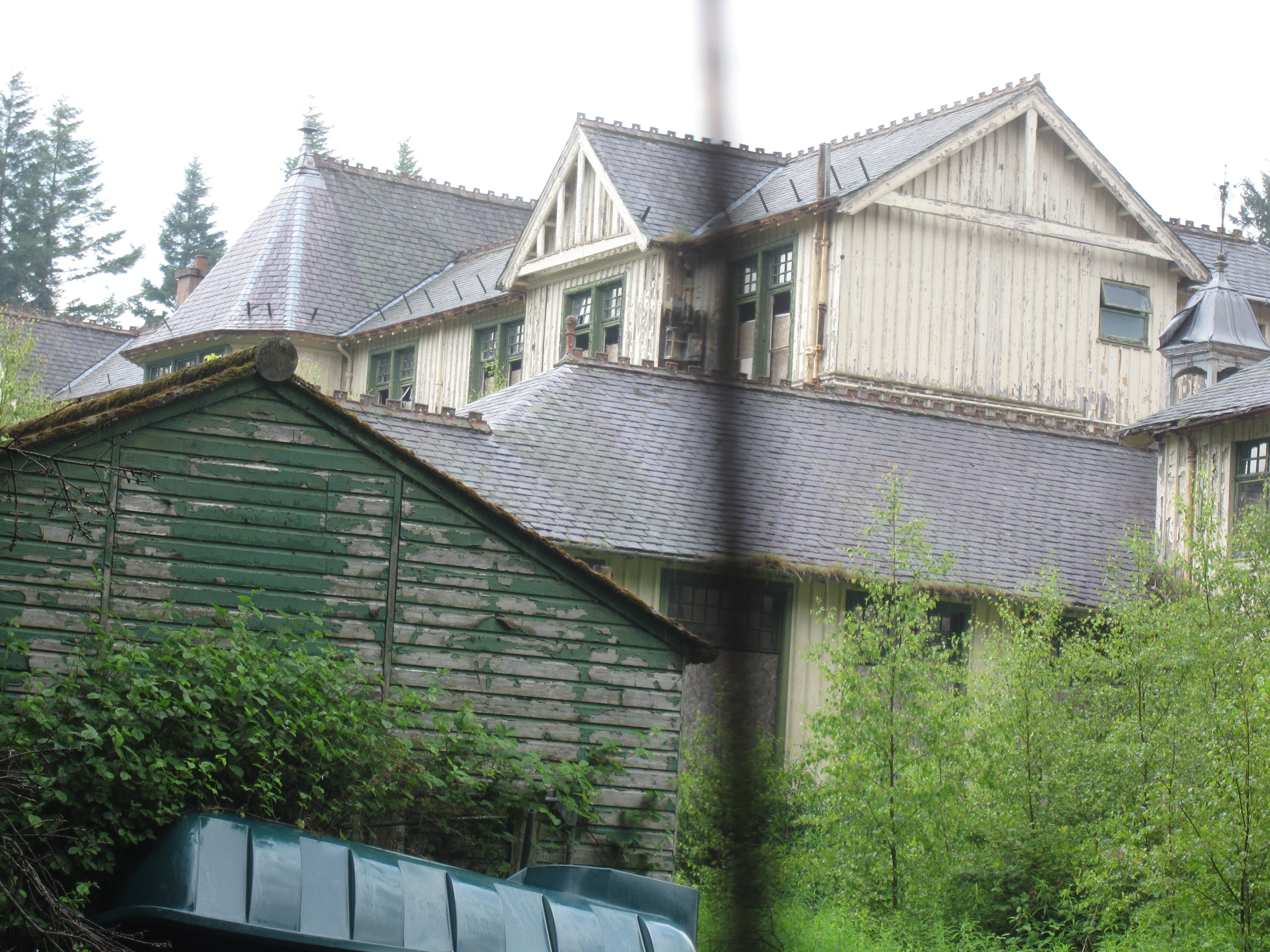
A complete contrast, this one, but another unexpected discovery. I had come across the name of this former tuberculosis sanatorium during the course of some research, and when we saw the signpost we decided to take a quick look. I’m not sure what we expected to find, but my photos definitely don’t do this unusual building justice.

IMG_5583

IMG_5581IMG_5577

You can see an image of how it looked originally here, and some photos of the abandoned interior here. Resting among the pine trees on the edge of Banchory, the sanatorium was built in 1899-1900, and modelled on the pioneering sanatorium built in Nordrach in Germany. It was originally known as Nordrach-on-Dee, and was intended to provide fresh air, treatment and research in the battle against the scourge of tuberculosis. As treatments changed and the disease became less common, the sanatorium was no longer needed. Since then the building has had a spell as a luxury hotel, and then was used once more as a sanatorium during the Second World War, before becoming a convalescent hospital. It finally closed in 1998. This stunning building is Grade A listed so can’t be demolished, but instead is crumbling slowly into total decay. Apparently it featured unsuccessfully in the 2003 TV series Restoration, but it’s a tragic loss of an unusual and fascinating building.

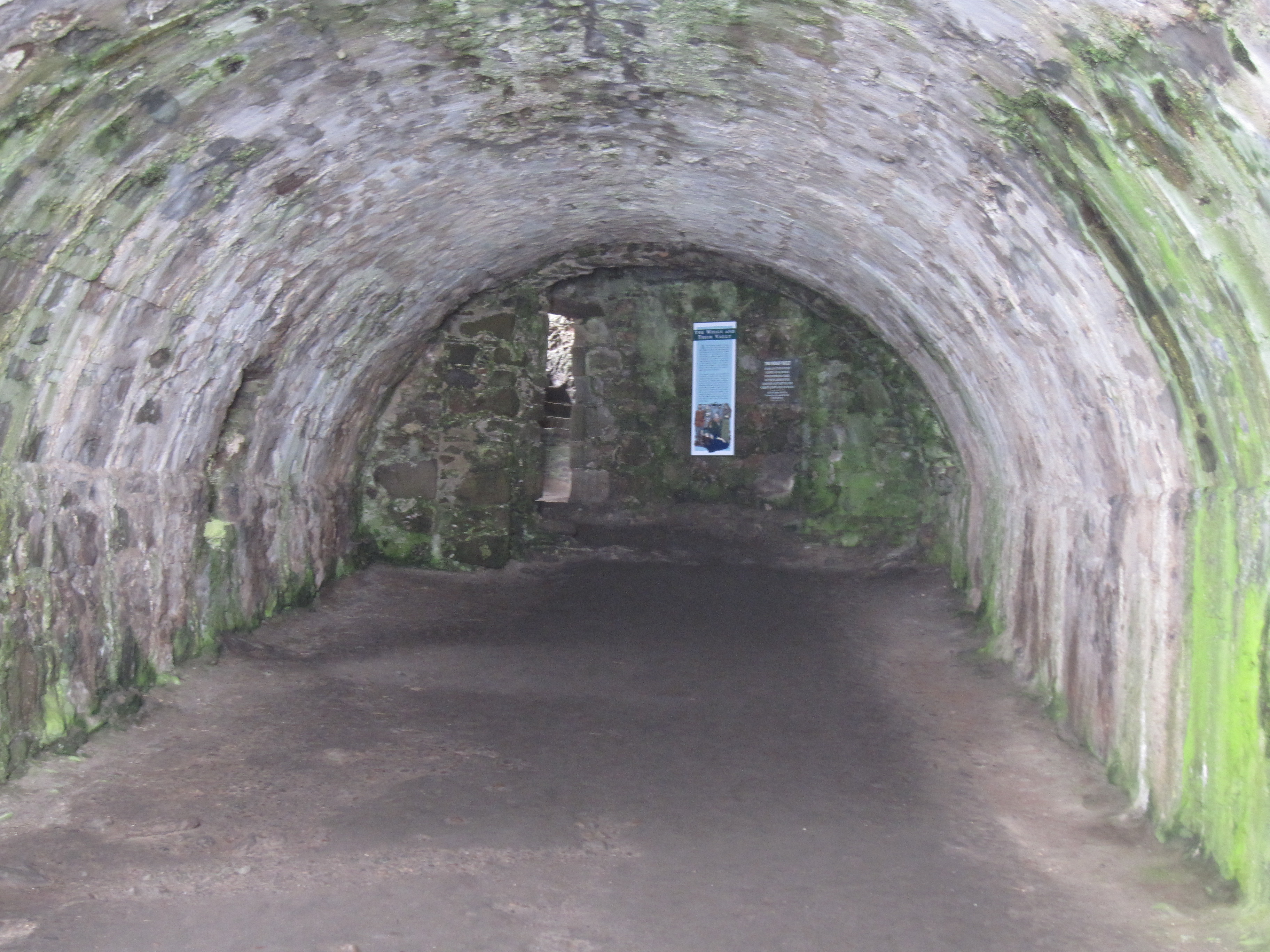
The Whigs’ Vault, Dunnottar Castle

This one was top of the list of places I wanted to visit. My ongoing, long term writing project touches tangentially on some of the Covenanters who spent six weeks imprisoned in horrendous conditions in a vault in this inaccessible castle. Dunnottar sits in a spectacular location on the cliffs, almost completely surrounded on three sides by the North Sea, and can only be accessed by a narrow path and steep steps.

IMG_5701

We had a prior engagement with some puffins at Fowlsheugh a little further south. We basked in sunshine as we walked along the cliff edge spotting razorbills, guillemots, kittiwakes and the elusive, wonderful puffins, then drove back up to Dunnottar. It was a perfect summer’s day.

IMG_5677

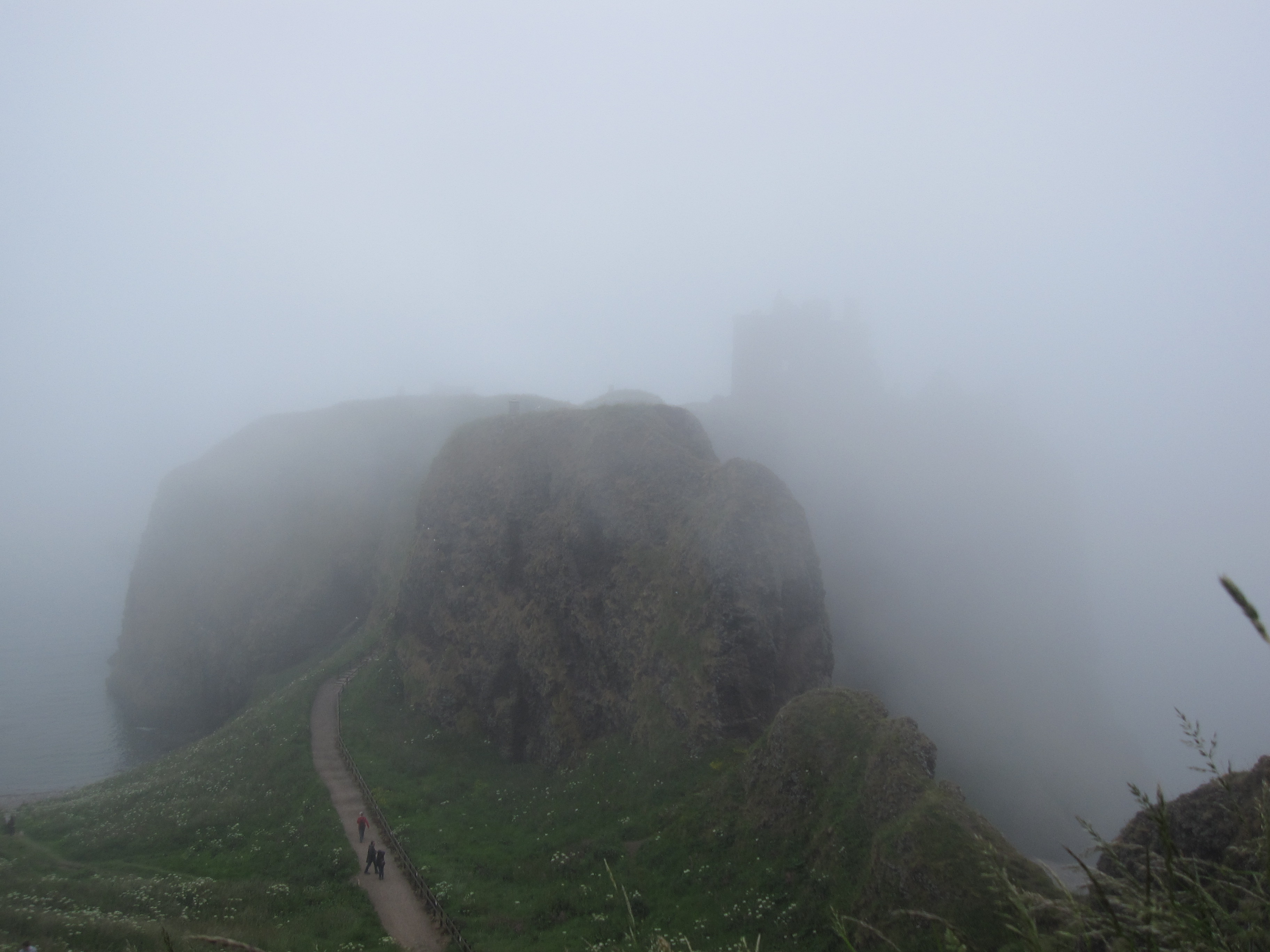
But this was the view when we reached Dunnottar, just five or ten minutes up the coast.

IMG_5709

A bit unfortunate for the poor people who were trying to celebrate a wedding on the cliffs overlooking the castle.

IMG_5784

The east coast haar remained stubbornly persistent throughout the rest of the afternoon, so we didn’t get the full effect of being surrounded by the sea – but in some ways the swirling mist added to the atmosphere. And nothing could remove the resonance of standing in the vault where over 150 Covenanters who had survived the walk from Edinburgh were imprisoned, with no sanitation and little food and water.

IMG_5753

In Lewis Grassic Gibbon’s Sunset Song, Chris and Ewan spend a day at Dunnottar:

There the Covenanting folk had screamed and died while the gentry dined and danced in their lithe, warm halls, Chris stared at the places, sick and angry and sad for those folk she could never help now, that hatred of rulers and gentry a flame in her heart, John Guthrie’s hate. Her folk and his they had been, those whose names stand graved in tragedy.

Much to think about, much to work on.

© All content copyright Flora Johnston. You may reblog or share with acknowledgement, but please do not use in any other context without permission.
Barrogill Keith

Barrogill

Back to thinking about the Keiths ….

I discovered this week that there’s an exhibition of paintings by Barrogill Keith currently being held in Thurso. Barrogill (his unusual name comes from the nearby Barrogill Castle, which is now known as the Castle of Mey and is associated with the Queen Mother) was my great-uncle. His eldest sister was Christina, whose First World War memoir I published as War Classics, along with some of Barrogill’s own letters from the Western Front. His youngest sister Patricia was my grandmother, and was also an artist.

I’m very excited to be heading up to Thurso soon to see the exhibition, and to spend some time in their hometown once more.

© All content copyright Flora Johnston. You may reblog or share with acknowledgement, but please do not use in any other context without permission.
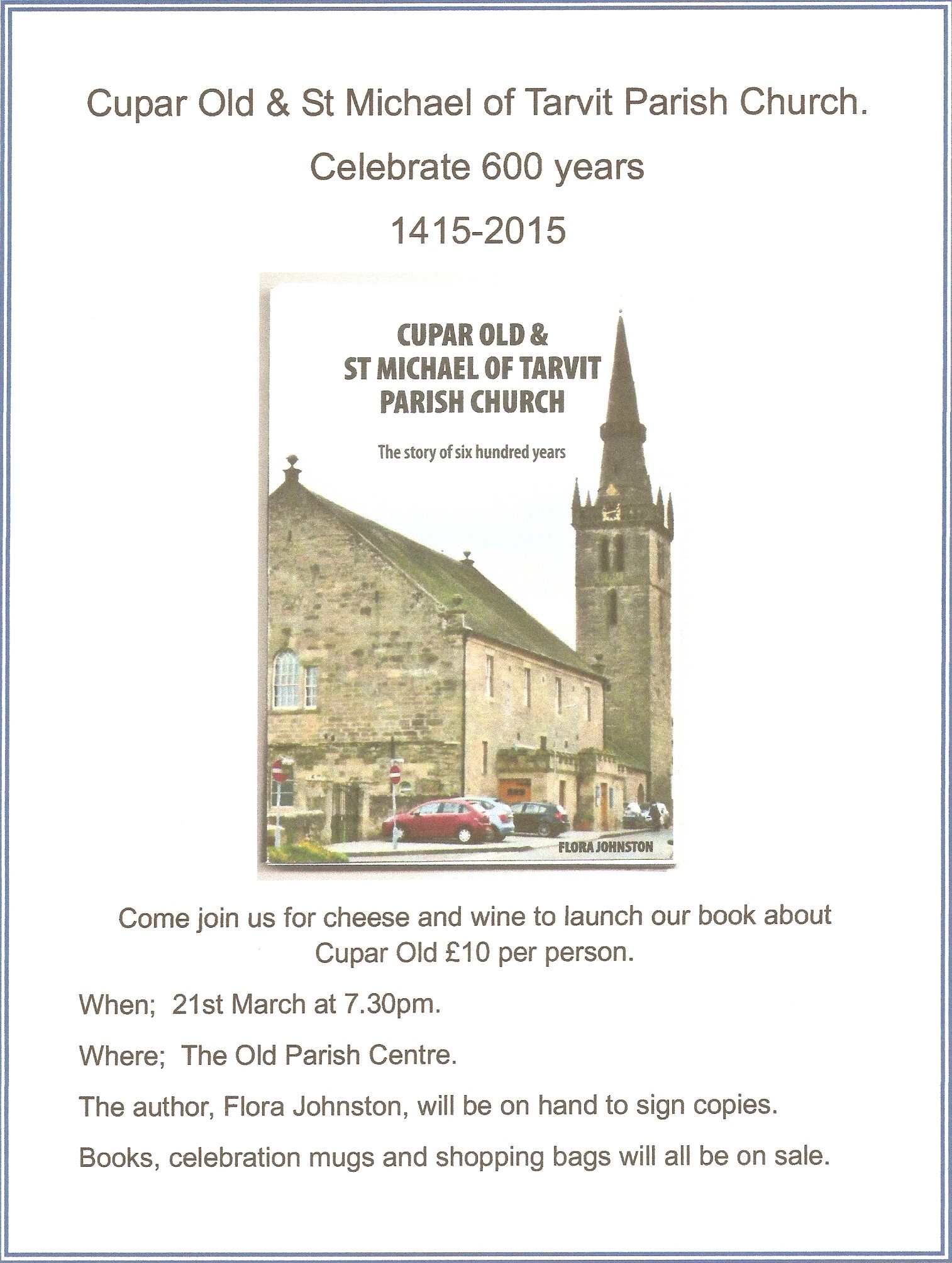
Cupar Old: the cover

It’s exciting to get a first look at the cover for my book about Cupar Old Church. They’ve done a good job, I think. The launch will be on 21 March.

Cupar


© All content copyright Flora Johnston. You may reblog or share with acknowledgement, but please do not use in any other context without permission.

Cupar Old: six hundred years

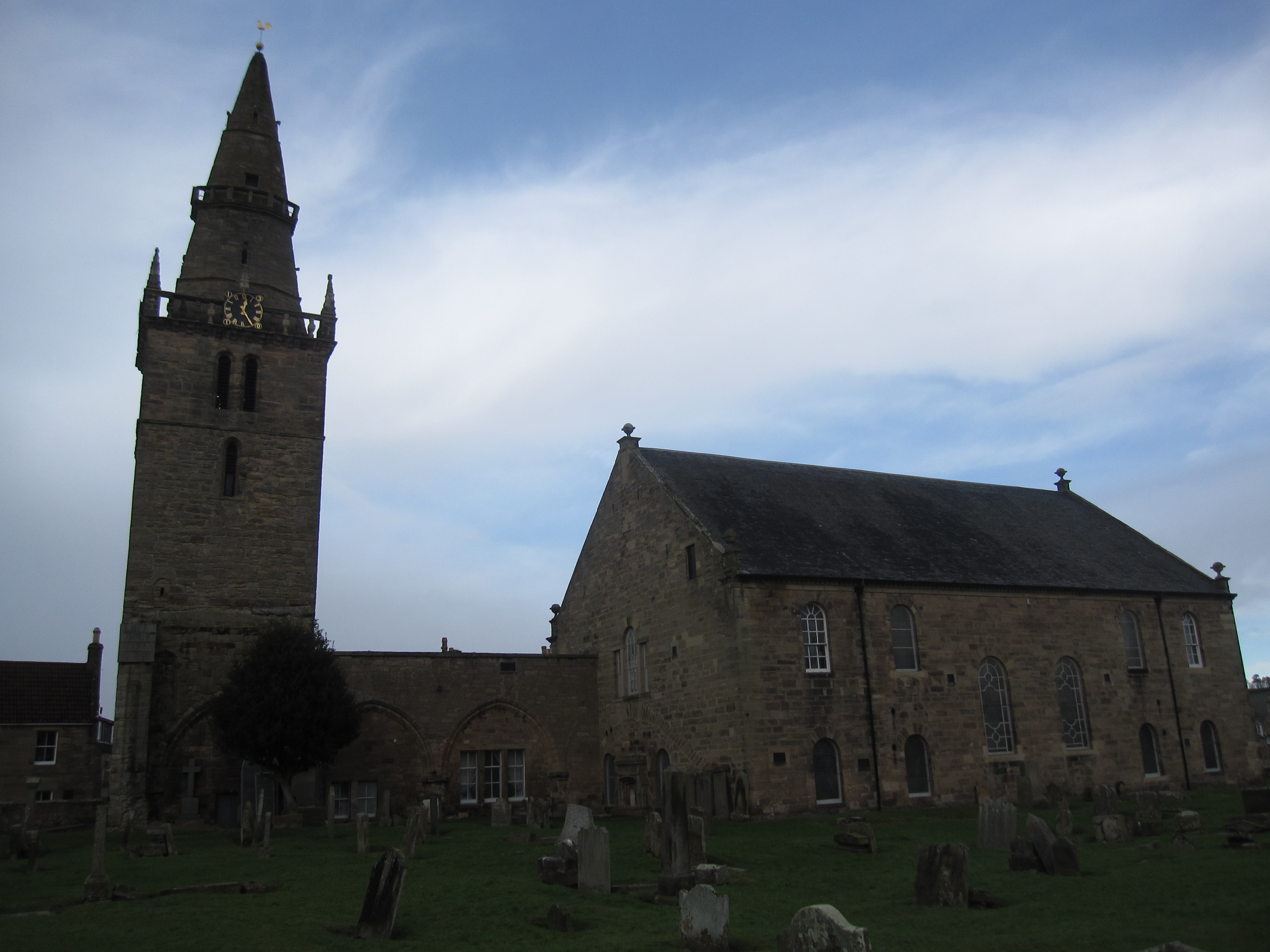
I’ve another wee book coming out soon, this time the story of Cupar Old Parish Church in Fife, which this year celebrates its 600th anniversary.

IMG_8406

I wrote the book for them back in 2013, but the plan was always for it to be published early in 2015, and it should be launched in March. As an important Fife town in its own right, and a near neighbour to St Andrews, Cupar had many fascinating stories to uncover. It’s always interesting to see how major national and international events like the Reformation and the 17th century conflicts played out in one local situation.

Some of the research for this one involved going to St Andrews, and consulting records in the University’s Special Collections reading room – which at that time was a cramped and draughty portacabin! Since then, however, the Special Collections have moved into what used to be Martyrs’ Kirk in North Street. I worshipped there for a while when I was a student, so I’m sorry it wasn’t open yet when I was doing this work- I’d love to do some research there. It looks amazing in the image below, from the university website. I’ll just have to find a new St Andrews project!

martyrs-m

© All content copyright Flora Johnston. You may reblog or share with acknowledgement, but please do not use in any other context without permission.