
I think it’s my museum background that makes me love an object so much, particularly when I’m writing historical fiction. Recently I came across an item I’d never seen before among some family papers, and could barely believe what I was holding in my hands.
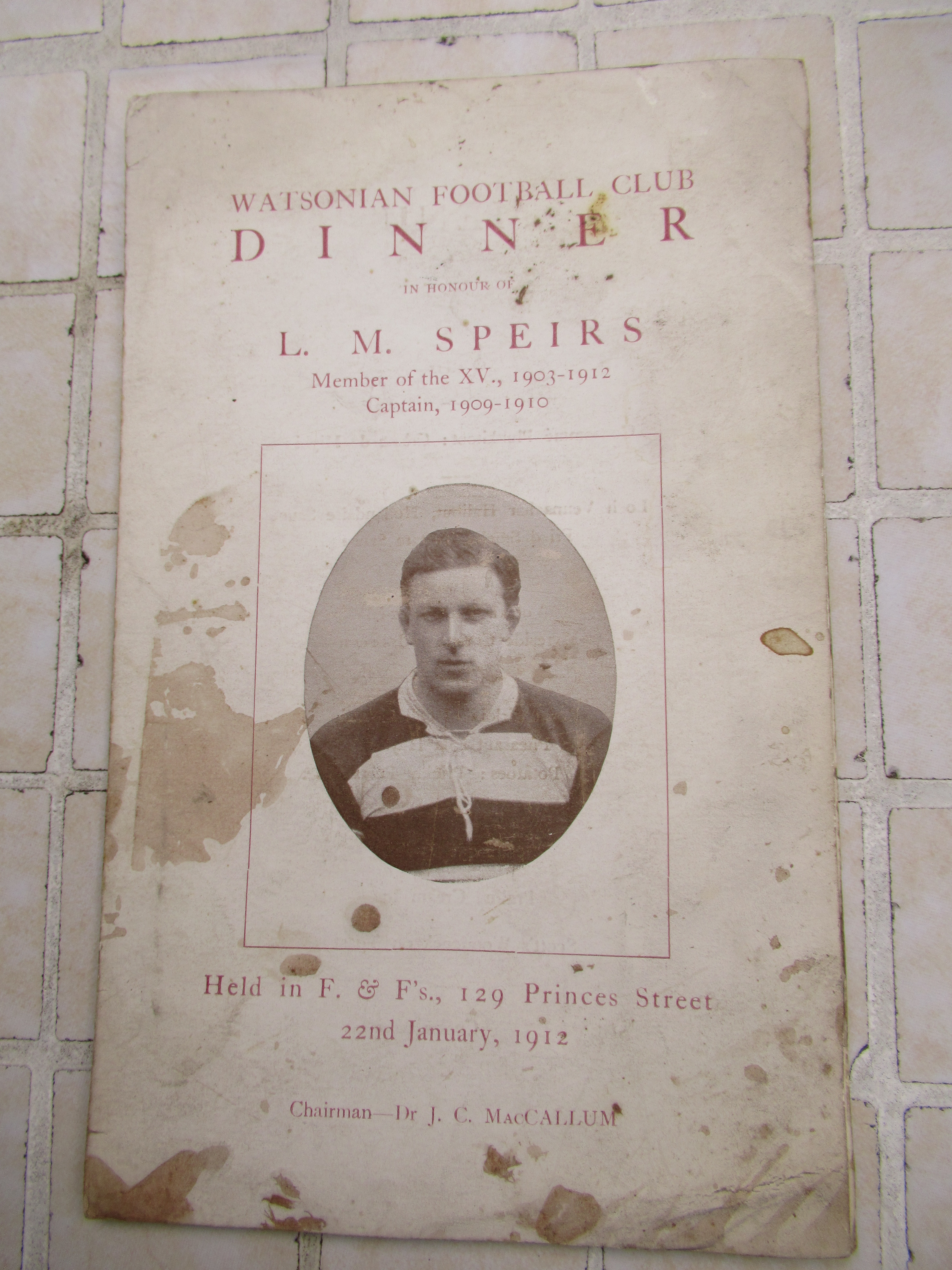

It’s the programme for a Watsonian (Rugby) Football Club dinner in January 1912, put together by a group of lads intent on having a good time, full of in-jokes and humour. Among the names included on the programme are some I came to know well as I researched The Paris Peacemakers.
One of the three main characters in The Paris Peacemakers is Rob, a young surgeon who played rugby for Scotland before the war. Rob is a fictional character, but all other rugby players in the book are men who really did play for Scotland. I researched their lives, read newspaper reports of their matches, explored what happened to them once war broke out – my spreadsheet of Scottish rugby players contains reams of information, most of which made it nowhere near the book!
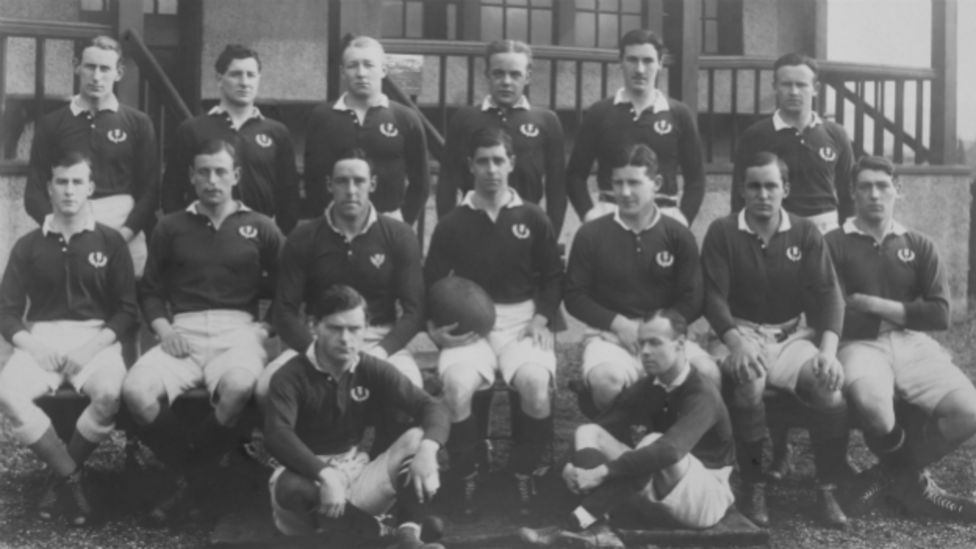
Back to the programme. On the front cover we learn that the chairman for the evening is John MacCallum. I had never heard his story until I began my research but MacCallum, considered at the time Scotland’s greatest ever rugby player, became a conscientious objector and suffered hugely for the brave, principled stance he took. The Paris Peacemakers pays tribute to him as much as it does to those who fought and were injured or killed.
‘There was one man who stood out,’ he said, and even as he spoke the buzzing intensified in his head. ‘John MacCallum. Scotland’s greatest ever captain, and hardest forward. John refused to be taken in by the lies. He stood out, and they locked him up for it.’
I skim past the menu, with such delights as ‘Roast Sirloin of Old Chairlie’, and come to the list of toasts. When I read that AW Angus ‘Gus’ is to give the toast to the ladies, a door swings wide open between the world I’m in now and the world of my book. Gus! I know him! He and Rob are together in Paris as the Treaty is signed, and Gus captains Scotland in the first Five Nations match after the war, between France and Scotland on 1 January 1920.
Gus stared at the wall, his lips moving silently. You might have thought he was praying, but Rob knew he would be planning his final words to the boys, his captain’s message. What do you say to prepare your team for the first match in six years? What do you say to the boy who knows that he’s earned his first start because the legend he replaces was blown to bits on the Somme?

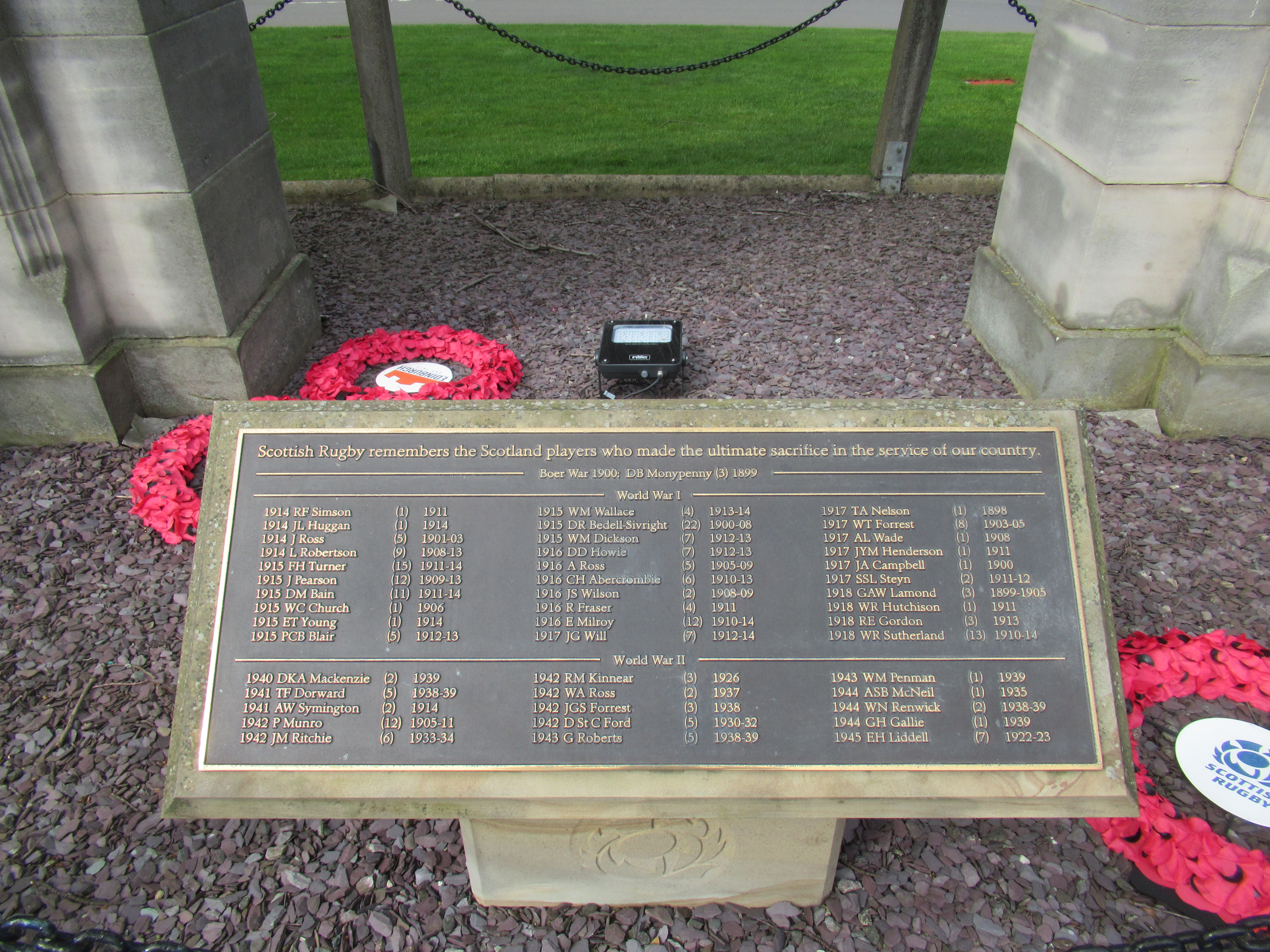
The back page lists the entertainment for the evening under a heading laden with irony: During the course of the evening the following programme will be tackled. John MacCallum begins proceedings with ‘Will you love me in December’, and Gus takes on the Harry Lauder classic, ‘The Wedding of Sandy MacNab’. Other names I recognise include Jimmy Pearson and Eric Milroy, both celebrated Scottish internationalists who won’t survive the war. I know what songs they chose to sing that night. I hold the programme in my hands and I lurk in the shadows as they knock back a whisky for courage, as their mates cheer and shout and mock. Just a group of lads on a night out.
A group of lads who, because of the accident of the timing of their birth, will soon be thrust into the worst conflict the world has yet known, with devastating consequences for each of them.

I feel again the shiver which led me to write the very first line of The Paris Peacemakers.
The only tiny mercy is that none of them knew.
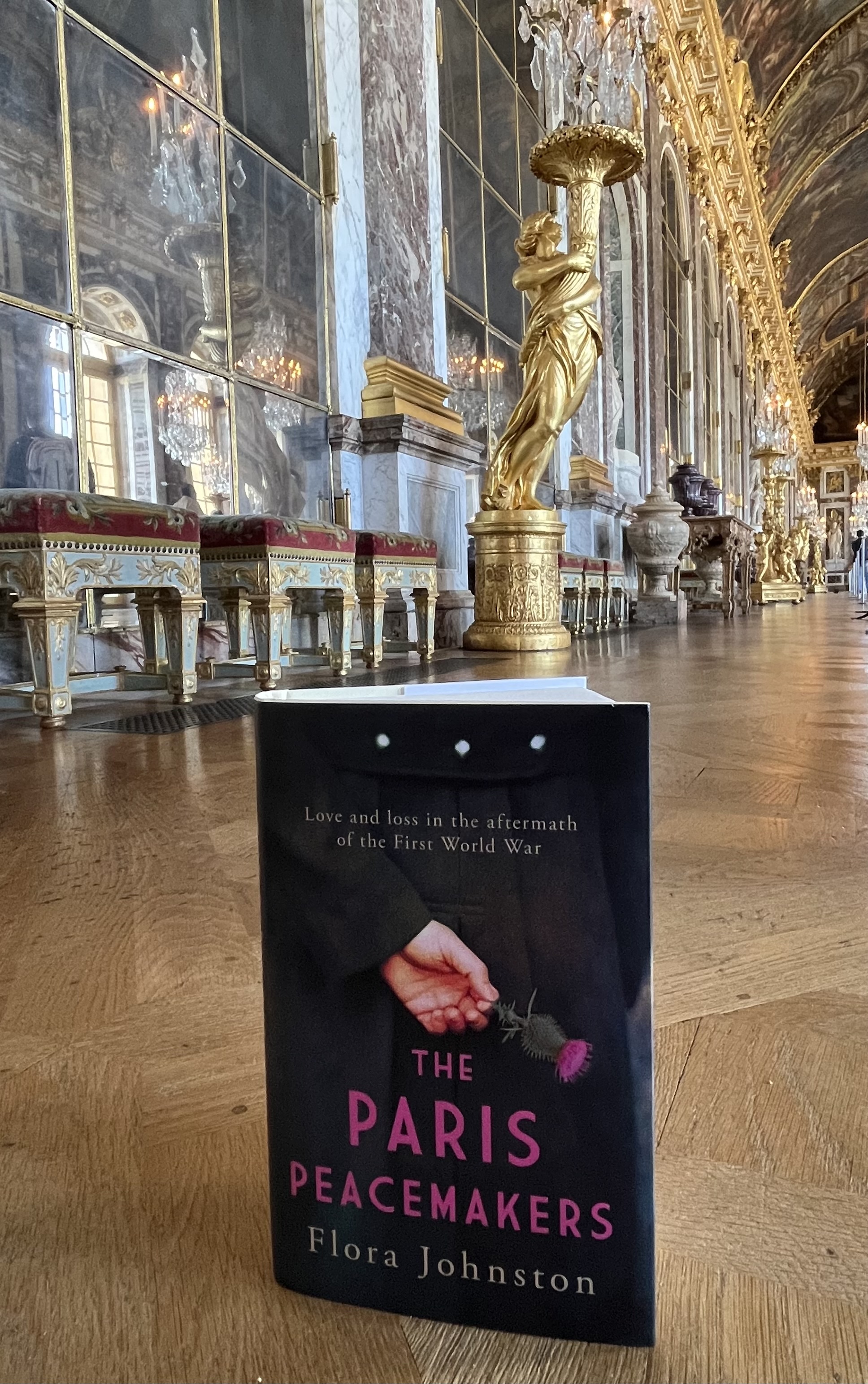
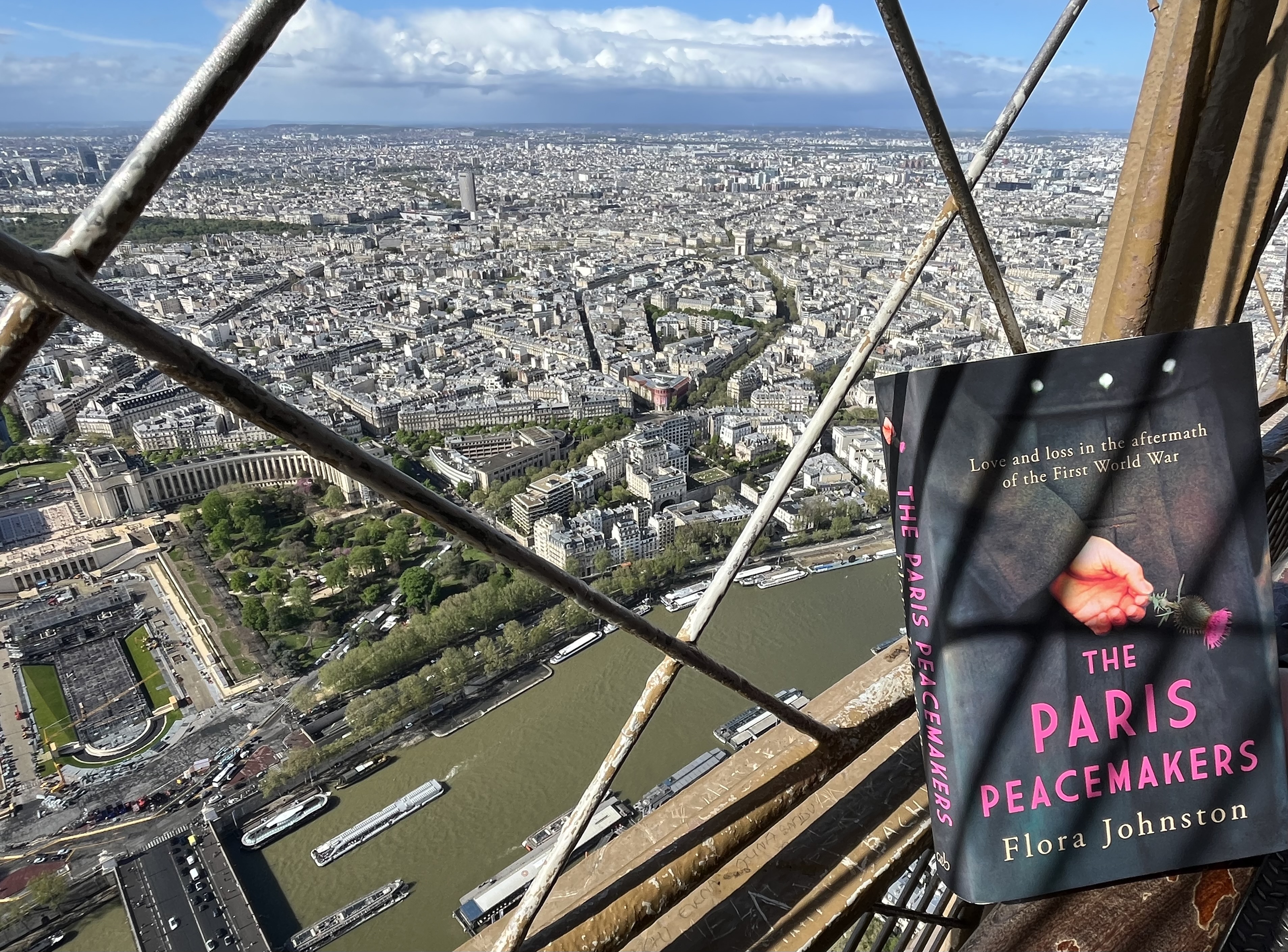
The Paris Peacemakers by Flora Johnston is published by Allison and Busby and is available from Waterstones, Amazon and most other bookshops.




 Flora Johnston