Tag Archives: First World War

Portobello Book Festival and Edinburgh Central Library

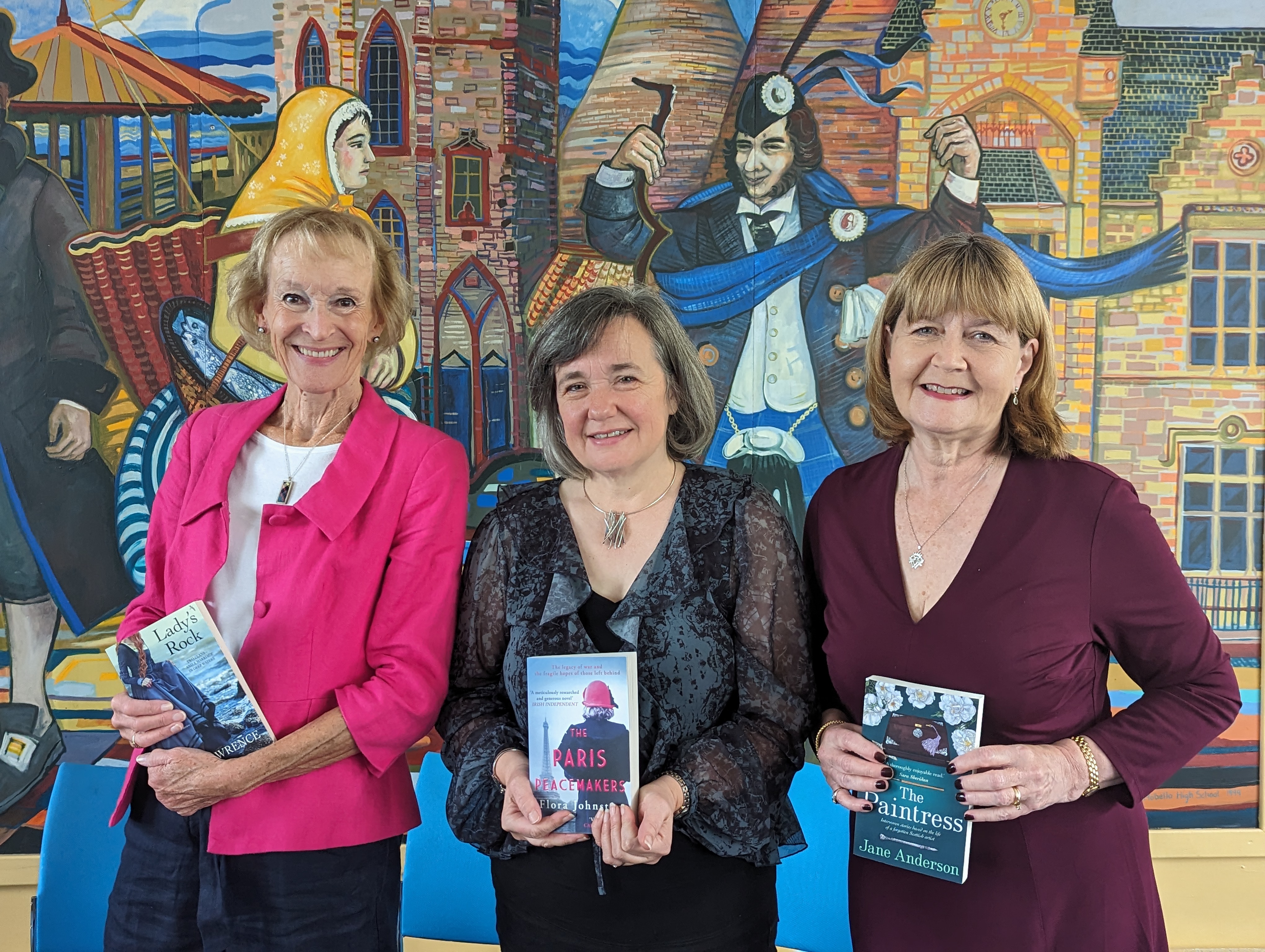
It’s been a good week! On Saturday I had a great time taking part in the Portobello Book Festival as part of a panel on ‘Women in Historical Fiction’, along with Jane Anderson (The Paintress) and Sue Lawrence (Lady’s Rock), expertly chaired by Joanne Baird. This is a brilliant community book festival which always has an interesting programme – check it out next year!

Then on Wednesday Edinburgh Central Library kindly hosted an event exploring ‘Family Stories in Historical Fiction’. Helen Graham (The Real Mackay) and I really enjoyed our discussion on researching and writing our recent novels, and Susan Elsley was a fabulous chair. It was an added bonus to have my brother Sandy in the audience sketching the event. If you’ve read The Paris Peacemakers, you’ll know that Jack’s sketch of the Calcutta Cup match at the start of the novel is significant. The idea of a brother who sketches on every occasion may not be entirely fiction!

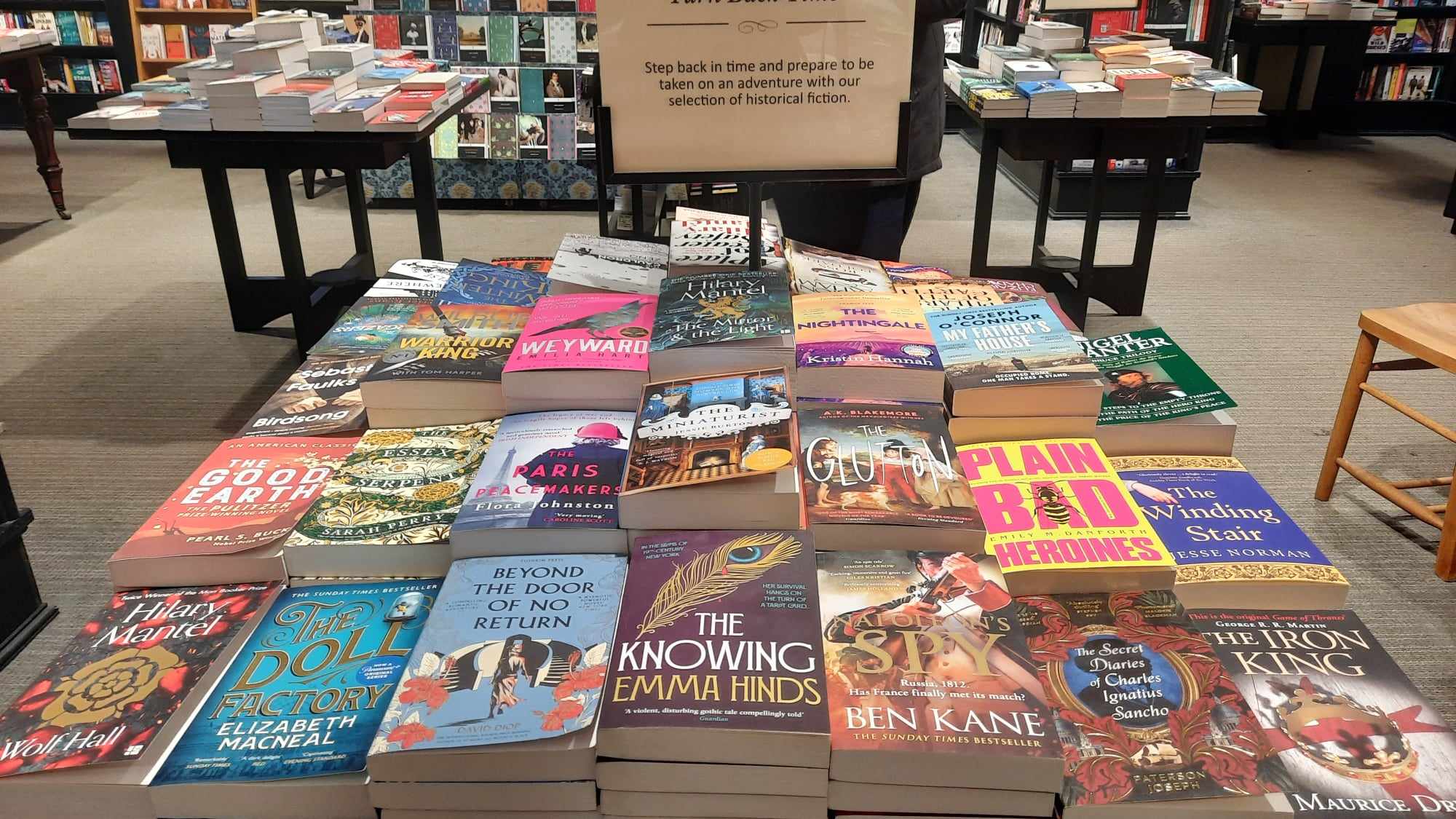
On my way into town on Wednesday for the Central Library event I popped into Waterstones at the West End. What a thrill to see copies of the new paperback edition of The Paris Peacemakers on the historical fiction table, alongside some amazing authors!

We’re looking forward to celebrating the launch of the paperback in London at HTA Design on 12 November. Tickets available here!

When real life and writing meet.

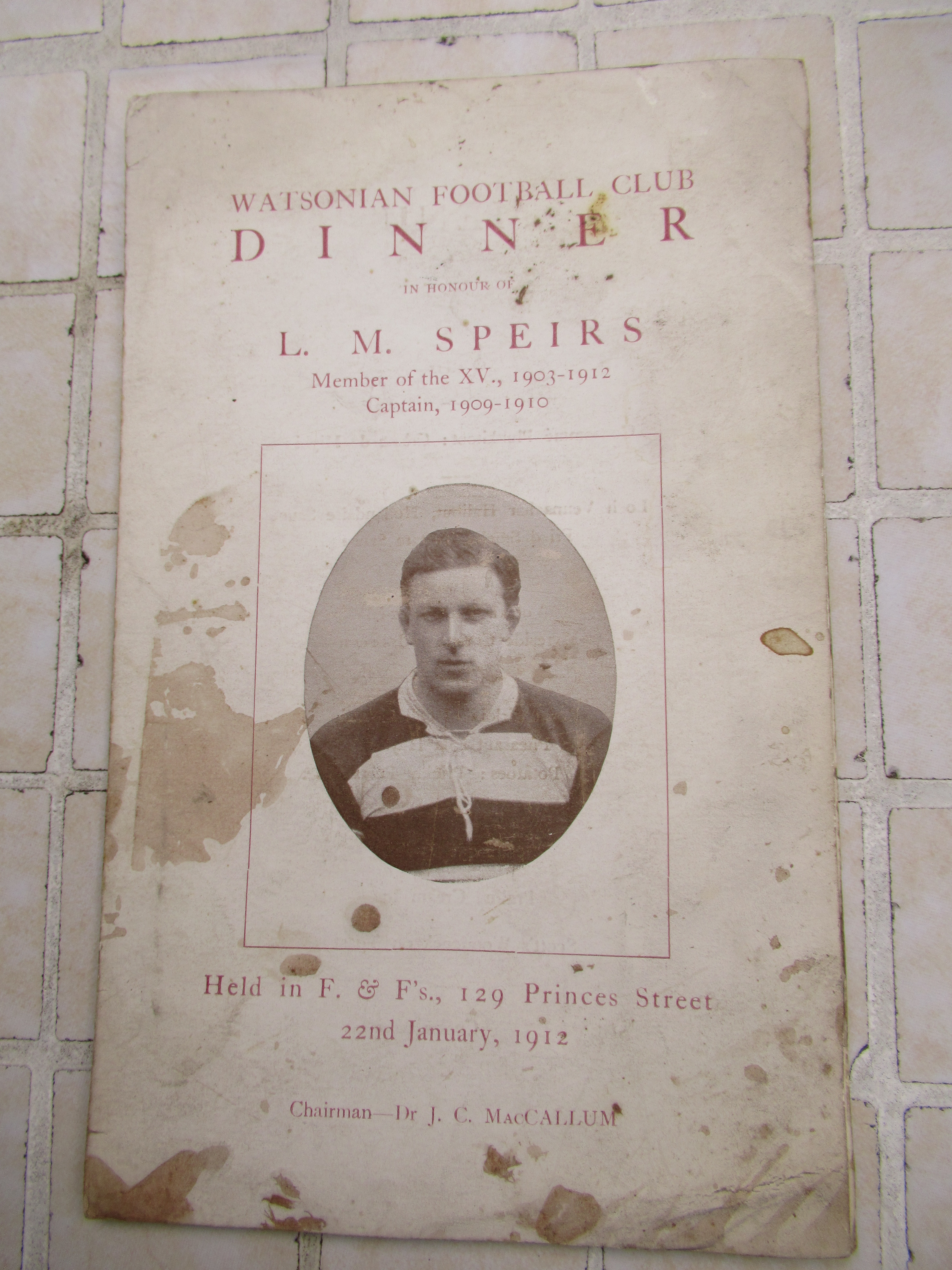
I think it’s my museum background that makes me love an object so much, particularly when I’m writing historical fiction. Recently I came across an item I’d never seen before among some family papers, and could barely believe what I was holding in my hands.

It’s the programme for a Watsonian (Rugby) Football Club dinner in January 1912, put together by a group of lads intent on having a good time, full of in-jokes and humour. Among the names included on the programme are some I came to know well as I researched The Paris Peacemakers.

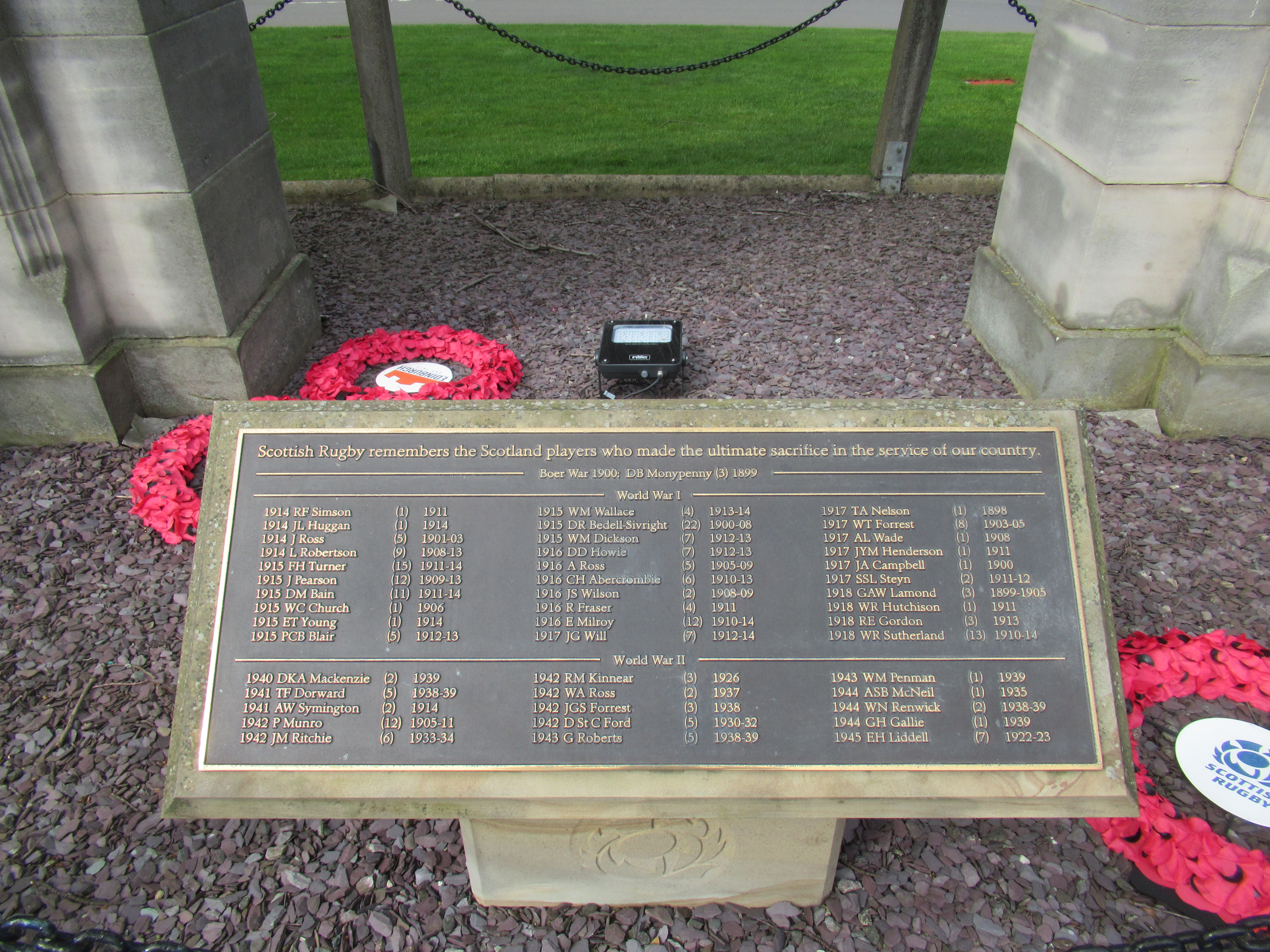
One of the three main characters in The Paris Peacemakers is Rob, a young surgeon who played rugby for Scotland before the war. Rob is a fictional character, but all other rugby players in the book are men who really did play for Scotland. I researched their lives, read newspaper reports of their matches, explored what happened to them once war broke out – my spreadsheet of Scottish rugby players contains reams of information, most of which made it nowhere near the book!

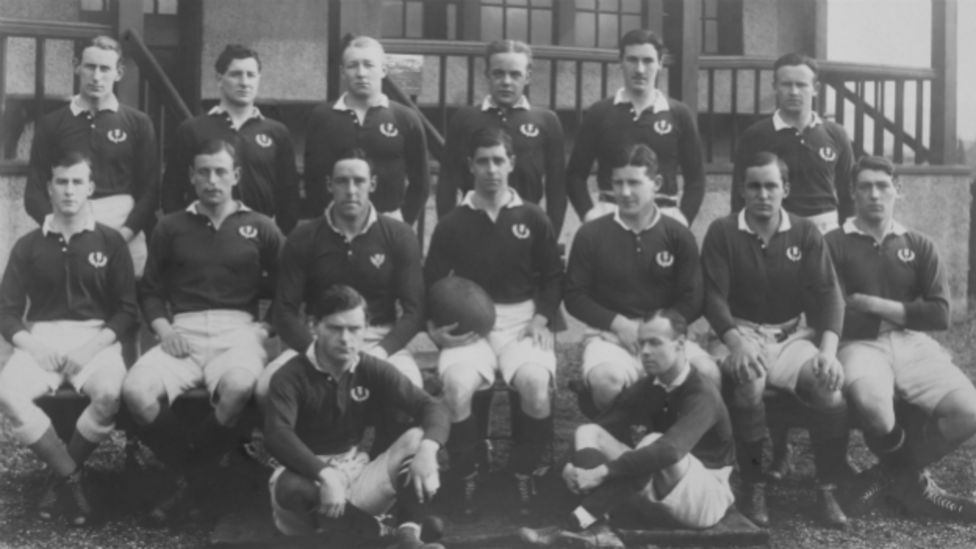
The Scotland team who played England in March 1914

Back to the programme. On the front cover we learn that the chairman for the evening is John MacCallum. I had never heard his story until I began my research but MacCallum, considered at the time Scotland’s greatest ever rugby player, became a conscientious objector and suffered hugely for the brave, principled stance he took. The Paris Peacemakers pays tribute to him as much as it does to those who fought and were injured or killed.

‘There was one man who stood out,’ he said, and even as he spoke the buzzing intensified in his head. ‘John MacCallum. Scotland’s greatest ever captain, and hardest forward. John refused to be taken in by the lies. He stood out, and they locked him up for it.’

I skim past the menu, with such delights as ‘Roast Sirloin of Old Chairlie’, and come to the list of toasts. When I read that AW Angus ‘Gus’ is to give the toast to the ladies, a door swings wide open between the world I’m in now and the world of my book. Gus! I know him! He and Rob are together in Paris as the Treaty is signed, and Gus captains Scotland in the first Five Nations match after the war, between France and Scotland on 1 January 1920.

Gus stared at the wall, his lips moving silently. You might have thought he was praying, but Rob knew he would be planning his final words to the boys, his captain’s message. What do you say to prepare your team for the first match in six years? What do you say to the boy who knows that he’s earned his first start because the legend he replaces was blown to bits on the Somme?

The Scotland team who played France in Paris on 1 January 1920

The back page lists the entertainment for the evening under a heading laden with irony: During the course of the evening the following programme will be tackled. John MacCallum begins proceedings with ‘Will you love me in December’, and Gus takes on the Harry Lauder classic, ‘The Wedding of Sandy MacNab’. Other names I recognise include Jimmy Pearson and Eric Milroy, both celebrated Scottish internationalists who won’t survive the war. I know what songs they chose to sing that night. I hold the programme in my hands and I lurk in the shadows as they knock back a whisky for courage, as their mates cheer and shout and mock.  Just a group of lads on a night out.

A group of lads who, because of the accident of the timing of their birth, will soon be thrust into the worst conflict the world has yet known, with devastating consequences for each of them.

I feel again the shiver which led me to write the very first line of The Paris Peacemakers.

The only tiny mercy is that none of them knew.

The Paris Peacemakers by Flora Johnston is published by Allison and Busby and is available from Waterstones, Amazon and most other bookshops.

The Paris Peacemakers: publication 18 April

There’s nothing quite like receiving the first printed copies of my new book!

The Paris Peacemakers will be published by Allison and Busby on 18 April, and is available to preorder now from all the usual places.

Set in 1919 against the backdrop of the Paris Peace Conference, it tells the story of three Scots as they try to rebuild their lives after the trauma of war, as the politicians try to reshape the world they have shattered.

I’m really looking forward to sharing Stella, Corran, Rob and their stories with you!

An exciting development

It’s been exciting this week to share the news that I’m now represented by Jenny Brown of Jenny Brown Associates, and I’ve been so encouraged by the positive response from the writing community. It’s not surprising though – I’ve been gradually trying to make my way in this world for quite a number of years now, and have always found the writing community here in Scotland and more widely to be a supportive place.

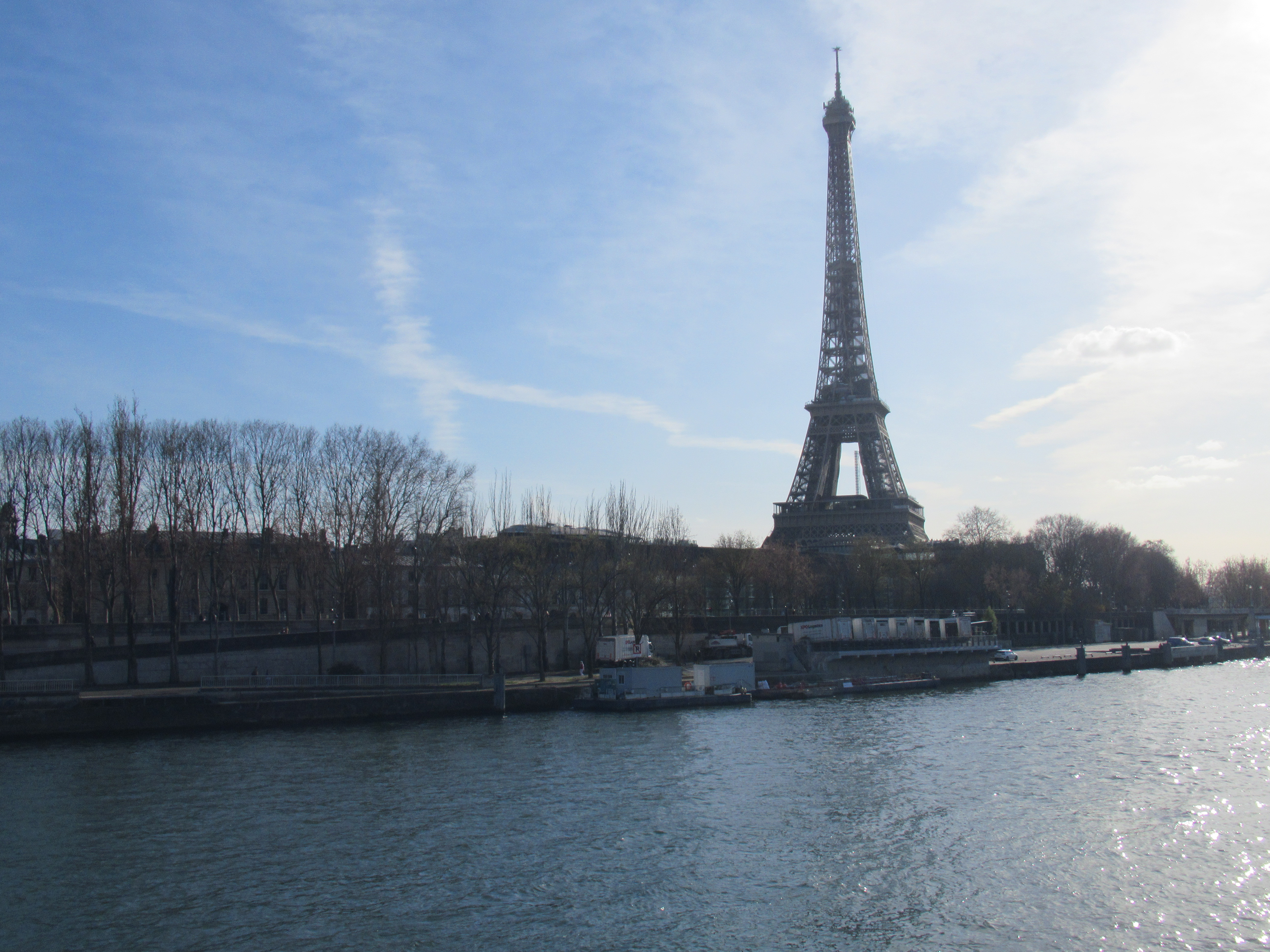
As well as being beyond delighted to have Jenny as my agent, it’s been rather strange this week to have information about my second novel out there in the public domain! I’ve been living in the world of The Paris Peacemakers for the last couple of years, but have so far shared very little about it. The novel was in part inspired by letters written by my great-aunt, who was a typist at the Paris Peace Conference in 1919. Most of the action takes place in Paris, but I started working on it early in 2020, just before Covid struck. It wasn’t until March 2022 that I was finally able to travel to Paris and see the places that I’d been writing about, and I remember vividly the emotional feeling of walking up out of the Metro Station and right into my novel.

I can’t wait to share it with you.

Slipping between centuries

It’s now a year and a half since my debut novel What You Call Free was published. For most of the time since then I’ve been working on the next novel and I’ve been immersed in 1919: the bright lights of Paris and the depths of Scapa Flow; ghost-filled rugby changing rooms and post-WW1 hospitals where despair meets hope.

I’ve been making early forays into the research for book three too. How did those 1920s aeroplanes ever stay up?

That’s right, they often didn’t.

But the 17th century is calling to me! Between September and January I’m fortunate enough to have a series of opportunities to speak about What You Call Free. As I prepare for these, I remember just how invested I am in the lives of these two real women, Jonet Gothskirk and Helen Alexander.

It’s good to be back.

What You Call Free is available to purchase in paperback and ebook direct from Ringwood Publishing and from your usual book retailer.

For details of forthcoming events see events page.

On that night of all nights every man, drunk or sober, was to find a welcome: Christina Keith, 11 November 1918


War Classics cover

War Classics cover

One hundred years ago my great-aunt Christina was behind the lines in Dieppe as a tutor with the army’s education scheme. She describes the day when peace was declared after the four long years which had devastated her generation:

Late in the afternoon I went into the huts to see the men and how they took it. The Base Commandant had sent round word to close the canteens if we wished, as the men might be drunk. But we did not wish. On that night of all nights every man, drunk or sober, was to find a welcome there.

When I went in, they were still sober and the hut was packed to the door. Most of them were singing and some few laughing and talking. Would you like to know what they sang? No ‘Rule Britannia’ or ‘God Save The King’ – English soldiers rarely sing either unless they are bidden. No – it was a chorus we were to hear every day for the next six months, with varying emphasis – ‘When do we go home?’, each word punctuated by thumps of mugs on tables, and the last word raised the roof.

At night they were many of them drunk, and the sober ones, with thoughts of the punctilious WAACs with whom they were dancing, were for turning the drunks out. ‘No, no,’ said the Hut leader firmly, ‘let the drunks dance by themselves in this corner.’ So, sometimes three together, sometimes the orthodox two, sometimes one, the drunks danced merrily in their corner; whenever one, well meaning but nothing more, lurched out to grab a WAAC, he was hastily but tenderly shepherded back by a stronger comrade.

 Outside bells blared; flags flew; bands played; at every window in the Grande Rue faces looked out, laughing, crying. In the distance the Marseillaise came rolling down and its echo ‘It’s – a – long – way – to – go.’

I stole into the Cathedral. Over the altar hung our flags, quiet and still. There was no need to wave them now. Utter quietness here and one spot of light only. In the chapel at my side lay the empty tomb and the marble watchers beside it. The figure of the risen Christ was outlined and ringed with light. Never have I seen so many candles ablaze together. Beneath Him in the darkness knelt clusters of black-robed women. Peace had come.

From War Classics: the remarkable memoir of Scottish scholar Christina Keith on the Western Front, edited by Flora Johnston

© All content copyright Flora Johnston. You may reblog, retweet or share with acknowledgement, but please do not use in any other context without permission.


9 April 1917: Vimy Ridge and Captain Daniel Gordon Campbell, one hundred years ago today.

IMG_7368

Canadian National War Memorial at Vimy Ridge

Extracts from War Classics: the remarkable memoir of Scottish scholar Christina Keith on the Western Fronted. Flora Johnston

Then we came to open country and the road wound upwards. Stretches of barbed wire, gashes in the ground, trails of camouflage, sandbags in heaps, told us where we were. But they were far less noticeable than they had been from the railway. Our eyes commanded a wide stretch of country, sweeping away to the horizon. For miles all around the air was pure and sweet, and the horror of Thiepval seemed far behind. We saw nobody at all and it was hard to realise that so short ago this had been a battlefield for thousands.  Only a lonely cross here and there – or a group of crosses – suggested it. I had begun to fear our American had forgotten all about us and was prepared to carry us to the end of the world when all at once, in the centre of the champaign and at its crest, he stopped. ‘This is [Vimy] Ridge,’ he said, ‘I’m going on to Lens. Goodbye.’ Hardly waiting for our thanks, he whizzed off and we were alone.

The high ground of Vimy Ridge provided a natural vantage point of great military significance. In April 1917, as part of the wider Battle of Arras, the Canadian Corps succeeded in winning the Ridge from the Germans at the cost of over 10,000 casualties.

The silence was unbroken; the land was desolate. Almost afraid to break the quiet, we moved on to the grass, and with a cry of delight, I stooped down and picked a flower. It was the commonest little yellow thing, that grows in unnoticed thousands at home, but I held it reverently and greedily and the Hut Lady looked at it too. ‘Isn’t it lovely?’ she said lingeringly, stroking it petal by petal. To find a flower after all that we had seen, seemed a miracle.

We moved on and picked up bits of shells, bullets, stray bits of camouflage: all the odds and ends left over from the fighting.

 ‘Come, and I’ll show you a big gun emplacement – boche,’ he said, changing the subject, ‘and then we’ll look at the Canadian memorial.’

My eyes had turned to the horizon again, to the heights that once were St Eloi. Someone I knew lay there, who had been a Canadian, and it was too far for me to go. I could only see the Ridge where he had been killed, and not the place where he lay.

As Christina looks towards St Eloi, we have a rare insight into her personal experience of loss and grief during the war years. The soldier in her thoughts is Captain Daniel Gordon Campbell of the Canadian Infantry, who had been engaged to marry her sister Louise. He had grown up near the Keith family, in Halkirk.  Like them he attended the Miller Institute and Edinburgh University, where he excelled both academically and at sport, representing Scotland at the high jump. A lawyer, he had emigrated to Canada, and was serving with a Canadian regiment when he was killed at Vimy Ridge on 9 April 1917. He is buried in the cemetery at Mont St Eloi. Louise was devastated by his death, and kept detailed scrapbooks which include newspaper cuttings about the Canadian action at Vimy, letters of sympathy from friends, and information about his final resting place.

 I went quietly to the big gun emplacement. It seemed untouched, and even to my inexperienced eyes, of amazing strength. ‘We got held up here I don’t know how long,’ he explained, ‘you see how well it is screened and how it commands all this stretch of ground.’

‘Put down those things you’re carrying,’ he said, glancing at my armful of spent bullets, bits of camouflage, bits of shells and flowers. ‘No-one will touch them here and I’ll snap you at the foot of Canada’s cross.’

The great high cross, with Canada in white letters, stood high on the crest of the ridge. The bright March sunlight danced on the white letters and picked out with silver the grey cross. The keen March wind blew like the winds of home over all the quiet field. The Hut Lady and I sat in the shadow of the memorial and looked towards St Eloi.

I have never seen the snapshots for, though our officer carefully took our names and addresses down on our map, he forgot to send them.

Today Vimy Ridge is the site of the breathtaking Canadian National War Memorial, overlooking the landscape on which so many Canadians lost their lives. More than 11,000 names of those whose grave is unknown are inscribed on the walls of this impressive monument, which was unveiled in 1936. However, even while the war was still continuing, memorials were erected on Vimy Ridge to commemorate the devastating losses suffered by the Canadian troops. Christina and her friend were photographed at the foot of one of these memorials. Louise’s scrapbook contains a photograph sent to her of one such cross, which may be the one visited by Christina.

Edit:

Daniel Gordon Campbell is among the lawyers featured in this exhibition in Toronto. It’s good that he is remembered.

© All content copyright Flora Johnston. You may reblog or share with acknowledgement, but please do not use in any other context without permission.

#100womenwiki : Christina Keith


SKMBT_C28413080512270

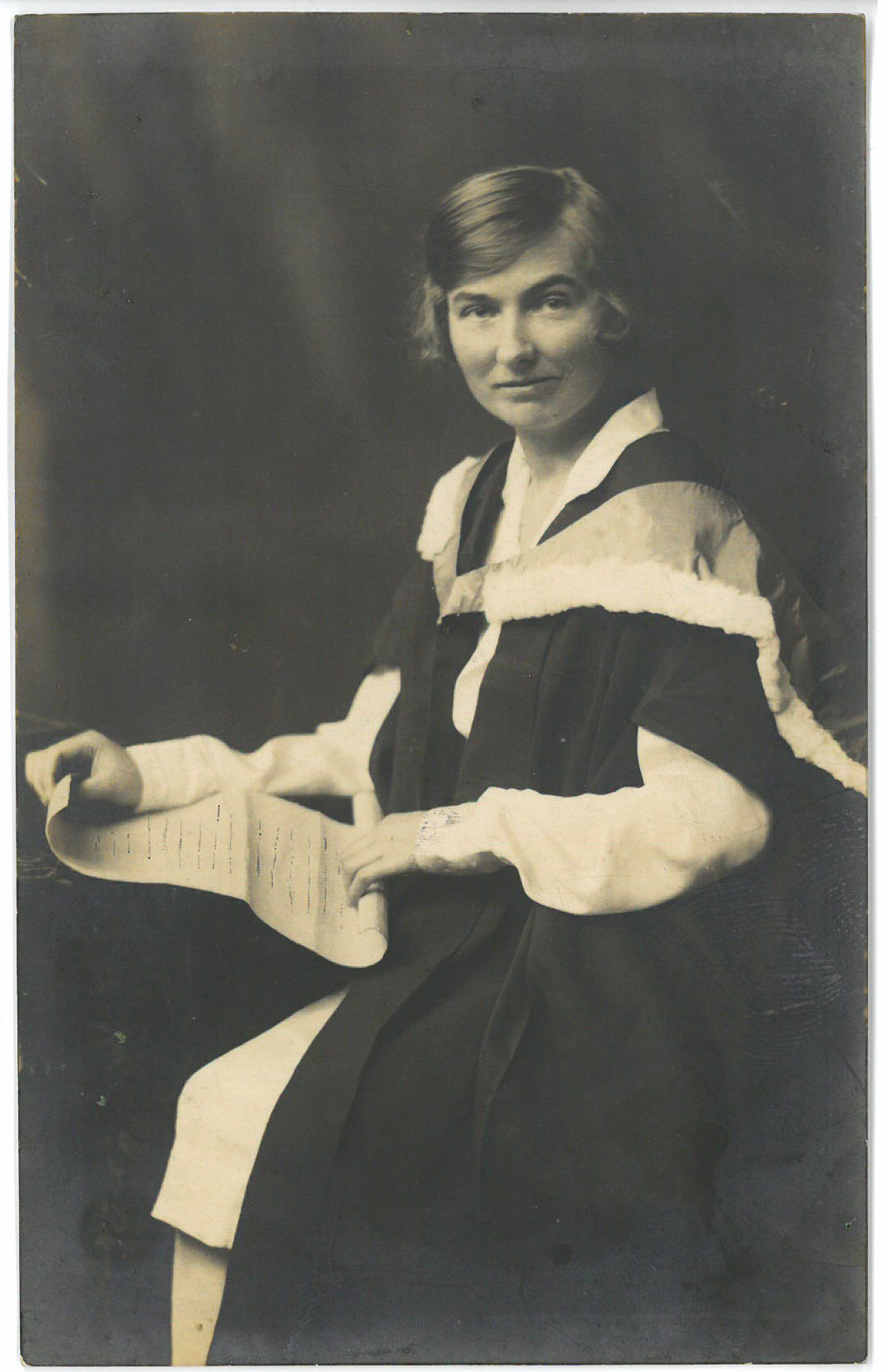
#100womenwiki is a 12 hour ‘edit-a-thon’ taking place today (8 December) with the aim of adding more women to wikipedia. At present only around 17% of notable profiles on wikipedia are of women, and  today is about  encouraging people across the globe to consider whether there are women who should be included and are currently missing. I read about the initiative on the BBC website  and decided to try submitting an article on Christina Keith, whose First World War memoir I edited and published as War Classics: the remarkable memoir of Scottish scholar Christina Keith on the Western Front. It was less complicated than I expected, and you can now read Christina’s wikipedia page here!


Reflections of Newcastle 1914-18

I was interested to come across the Reflections of Newcastle project, which seeks ‘to explore the intellectual, cultural and social life of Newcastle during the First World War, concentrating in and around the Lit & Phil.’ It has a lot of resonance with my researches into Christina Keith’s life immediately before she set off for France.

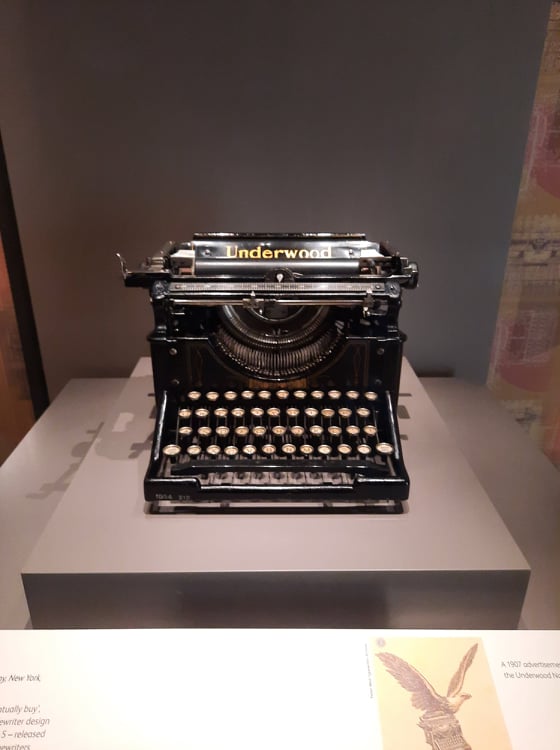
I visited the Lit & Phil building in Newcastle as part of my research for War Classics: the remarkable memoir of Scottish scholar Christina Keith on the Western Front. Christina’s first job was as Classics lecturer at Armstrong College, Newcastle, but as soon as she took up the post in 1914, war was declared. The College was requisitioned for use as a military hospital and the department decamped to the Lit & Phil building. Christina lived and worked in Newcastle all through the war years until 1918, when she set off for France to take part in the army’s education scheme under the direction of Sir Henry Hadow, who had been Principal of Armstrong College.

There’s more information about Reflections of Newcastle 1914-18 here.

IMG_7127

The entrance stairway of the Lit & Phil, Newcastle

© All content copyright Flora Johnston. You may reblog or share with acknowledgement, but please do not use in any other context without permission.

William Keith and the Battle of Jutland

Christina Keith, whose extraordinary wartime story you can read in War Classics, was the eldest of eight children. The Keith family, like so many others, saw one child after another drawn into a different aspect of the First World War. One of her brothers, William Bruce Keith, joined the Navy and was involved in the Battle of Jutland, the centenary of which is being remembered today.

001

William as a boy, appropriately dressed in a sailor suit.

William is known as ‘Uncle Bill’ in our family, but when he was a young boy his brothers and sisters called him ‘Willie’. He was born on 15 April 1898, so was just 16 at the outbreak of war. According to my father:

William wanted to go into the Navy and he discovered that he had just missed the date by which he had to apply and he would have to do something else, and then the war broke out so he was able to get in after all.

The Navy at Scapa Flow was a very real presence in the lives of the Keith family living in Thurso, and in her memoir Christina often refers to the familiar sight of battleships in the Pentland Firth. In 1916 William, now aged 18, was a midshipman on HMS Warspite.  He describes the whole engagement in vivid detail in a letter to his brother Barrogill, who was serving with the army in France.

Our steering gear now got jammed and we started turning in circles – just before the ‘Defence’, which was quite close to us, caught fire and vanished. We were now helpless and the Germans seeing us turning in circles singled us out and concentrated on us. We had about 6 or 7 firing at us, and we couldn’t reply as we were turning so quickly that the guns wouldn’t train fast enough. Shells were bursting all around us, and I thought it was all up. One shell dropped so close that the spray from it drenched us in the foretop. We were hit several times and one small splinter came into the foretop.

Eventually the focus of the battle moved on, and they managed to sort the steering and were ordered to return to Rosyth. In an understatement so typical of the writings of the time, William says they were ‘rather hungry and tired’. Fourteen men had been killed and sixteen wounded. Inside the ship they found a scene of devastation, with chairs, tables, lamps and pictures broken into pieces. All lifeboats and rafts had been smashed, and they were in immediate danger of being torpedoed, so the men made makeshift rafts from the broken furniture. They eventually made it back to Rosyth in safety, and William writes, ‘when we got inside the Forth Bridge we did feel thankful.’

He was able to take some leave at home in Thurso, just across the water from the naval base at Scapa Flow on Orkney. Today, one hundred years on, a service was held in beautiful St Magnus Cathedral to commemorate the 8500 men, both British and German, who lost their lives in the Battle of Jutland.


© All content copyright Flora Johnston. You may reblog or share with acknowledgement, but please do not use in any other context without permission.