Tag Archives: church

Townhill Church

I’m in Townhill.

It’s the hottest day of summer so far, the kind of day when the tar used to rise up in sticky black bubbles and your ice pole melted before you got halfway down.

I climb the steps into the shadowy vestibule of Townhill Church, which played a huge part in my life between the ages of six and fourteen. It’s open to visitors for a few days before it closes for ever, part of a wider programme of readjustment in the Church of Scotland.

Stepping into my past, I sit down on a pew close to where my dad and I used to sit on Sundays. The memory tumbling to the fore is not of sitting sedately, though, but of two children – my friend and I – sliding along these varnished pews and diving beneath them as we played (probably Famous Five or Narnia) while the adults rehearsed their Easter play.

That’s the context for so many of my memories. My friend’s family were closely connected to the church too, and we spent a lot of time around this building! Too young to be left at home, you might find us at the back of meetings or praise nights or on this occasion rehearsals, lost in our world of imagination but absorbing the world around us too.

I remember the two of us at the Watchnight service, fizzing with anticipation and straining to see the watch on the wrist of the man in front of us as the seconds ticked agonisingly slowly towards midnight.

I remember us playing Narnia in the grounds, squeezing along the gap between the small hall and the hedge surrounding it. I remember us changing words to hymns to make them fit whatever game we were immersed in at that time.

Any child in church spends long hours looking at patterns, windows, details. In Townhill the stained glass windows are meaningful. I look at them again today, so familiar, and wonder what will happen to them? They testify to the history of this village, depicting a miner, a farm worker and a woman at her spinning wheel – labourers in the main industries which were the daily lives of people who worshipped here. Male and female, and (a vibrantly dressed) Jesus extends his tender invitation – Come unto me all ye who labour and are heavy laden and I will give you rest.

My gaze moves from the stained glass windows to the pulpit below. In 1978 the congregation at Townhill was bold enough to welcome a woman into that pulpit. My mother. She was one of the early Church of Scotland women ministers, the first to take on the role with a husband and children. Hers is a fascinating story of being conscious of her calling from her earliest days, when it seemed impossible. Ministers were men. After many twists and turns she went to university to study Divinity when I (youngest of four children) was three. ‘You won’t get a dead church calling a woman,’ a colleague told her, and so it transpired. I’m proud to be her daughter. A few weeks before the publication of my first novel What You Call Free, it dawned on me that it perhaps wasn’t surprising that one of my main characters, Helen, was a strong woman of faith.

There are doors on either side of that pulpit, leading through to the hall and to a vivid kaleidoscope of memories. Junior Youth Fellowship and crazy, intense early high school years: lasting friendships, who fancies who, laughter and tears, and the most generous leaders imaginable. Bacon rolls after the Easter Dawn Service. Coffee mornings, concerts, our production of Joseph and his Amazing Technicolour Dreamcoat to which I still know all the words. Other groups used the halls too because this is a church rooted in its community.  Lots of events – but mostly it’s the people who stand out, and some dear people here showed me what church is meant to be, living out their faith in love and service. I’m very aware that’s not everyone’s experience of childhood in church, or of growing up in a manse, and I’m grateful. It could sometimes be a struggle to fit in at school, but here I belonged.

I speak with the women who are here this afternoon to welcome visitors to the church. I look at displays of photos and records. For me this visit is about nostalgia and memory. I’ll move on. For people in communities up and down the country who have living, generational connections to church buildings which are being closed, feelings of grief, loss and anger are profound. This is a Beeching-like moment in the cultural heritage of Scotland, as many buildings with long community stories disappear into private ownership. In some places there is time and space to explore alternative uses of these buildings by their communities, or by independent churches which are thriving and growing outwith the Church of Scotland. I hope we see more of that.

I turn to leave for the last time. The church to which I now belong has signs above the doors as you walk back outside saying ‘You are now entering a place of worship’ – a reminder of what I first learned right here in Townhill, that faith is lived out beyond the building. It’s sad to see this church building close. I’m grateful for all it gave me. I know the newly formed congregation of Dunfermline St Columba’s will continue to do really good things to reach and bless and support their community, moving forward in a changing landscape. I believe that the God who leads us is thankfully much bigger than all our buildings, all our schemes, all our human frailties and failures, and that’s why there is still hope. He is the God of the resurrection after all.

Down the steps and through the garden, passing between mature trees which have been here for a very long time. As I open the gate the war memorial is adjacent, facing onto the main street, and I think about the young men it commemorates who also knew this building.

That’s when I catch another glimpse of us, those two children in the early 1980s. Perhaps there’s a wedding on (insider knowledge!) so we’re hanging about the church gates in the hope of a rushie, before haring off somewhere on our bikes.

I walk away through the summer heat towards my car.

I fancy an ice pole.

Escape from Balranald House

IMG_8135

Balranald House

We’ve just returned from another wonderful holiday in North Uist, in the Outer Hebrides. This time the cottage we were staying in was a beautiful conversion of outbuildings once belonging to Balranald House. From one of the windows we could see Balranald House, built in 1832, which was the home of James Macdonald (also known as Seumas Ruadh), factor to Lord Macdonald.

IMG_7903

I ‘got to know’ the Macdonalds of Balranald in my research for Faith in a Crisis: famine, eviction and the church in North and South Uist (Islands Book Trust, 2012). James Macdonald was part of a close network of power and influence which profoundly affected the lives of those trying to survive on the land in Uist. His brother John lived in Rodel House on Harris and was factor to the Earl of Dunmore; his sister Isabella was married to Finlay Macrae, minister of the Established Church in North Uist who lived on Vallay (see earlier post).  I could see the ruins of Finlay’s church at Kilmuir through another window of the cottage.

In 1850, the Macdonalds of Balranald were at the heart of a romantic drama which was reported in newspapers throughout Scotland. Twenty-one year old Jessie was in love with Donald Macdonald of Monkstadt, Skye, but her father Seumas Ruadh wanted her to marry Patrick Cooper. He was an Aberdeenshire man who was trustee for the heavily indebted Macdonald estates and the main instigator of the recent Sollas evictions. A marriage to Seumas’s daughter would have further strengthened important ties.

In February 1850 Cooper proposed to Jessie. In desperation she wrote to her lover, and the two decided to elope. With the help of Donald’s servant they fled from Balranald House by night, Jessie by all accounts in high spirits all the way to Lochmaddy. But it was a stormy night, and while making for Skye they were swept off course to Harris. By this time the alarm had been raised, and they were discovered by Jessie’s uncle, John of Rodel. Jessie was taken to Rodel House where she was held captive, her aunt sleeping in the bedroom with her to prevent another escape.

Donald meantime returned to Skye, where he gathered some friends and sailed to Harris to rescue Jessie by night. Newspaper accounts state that ‘Mr Macdonald (Rodil) came out of his house in his shirt and drawers, swearing at them as if he was mad.’ Somehow, in the ensuing confusion, Jessie and Donald managed to make their escape. They fled to Edinburgh where they were later married, but Seumas Ruadh and John of Rodel, together with Patrick Cooper, were not likely to accept such defiance. Donald Macdonald was charged with breaking into Rodel House and with assault, but he was cleared – to cheers from the public gallery. The young lovers had excited public sympathy.

Jessie and Donald were married on 22 April in St Cuthbert’s parish, Edinburgh. Church of Scotland marriages required banns to be proclaimed on three separate occasions in the home parish of both bride and groom. In what may have been an attempt by Finlay to lend some belated respectability to the affair, an intriguing entry in the Kilmuir marriage register reads:

Donald MacDonald Tacksman of Baleloch to Jessie Cathrine MacDonald daughter of James Thomas MacDonald Esquire Tacksman of Balranald 31st March 1850.’

It’s interesting to notice that the very next entry in the Kilmuir register records the marriage of another Balranald daughter, Elizabeth, to a Skye minister, also in April 1850. This entry states that the banns were ‘proclaimed in the Parish Church in North Uist in the regular and normal manner’ – a statement that is not made with regard to Jessie’s marriage. No doubt Elizabeth’s wedding was a much happier occasion for the family!

Jessie and Donald eventually emigrated to Australia, but their dramatic story illustrates just how closely factor, minister and land agent were bound together at this critical time in Uist’s history, a theme which I explore in more detail in the rest of the book.

[adapted from Flora Johnston, Faith in a Crisis: famine, eviction and the church in North and South Uist, Islands Book Trust 2012]


© All content copyright Flora Johnston. You may reblog or share with acknowledgement, but please do not use in any other context without permission.

Deeside discoveries – Migvie, Glen o’ Dee and Dunnottar

We spent most of last week exploring Deeside in the sunshine. There were various historical sites we planned to see, but it’s often the hidden places you come across unexpectedly which catch the imagination. Here are just a few…

Migvie Church

IMG_5596      IMG_5600

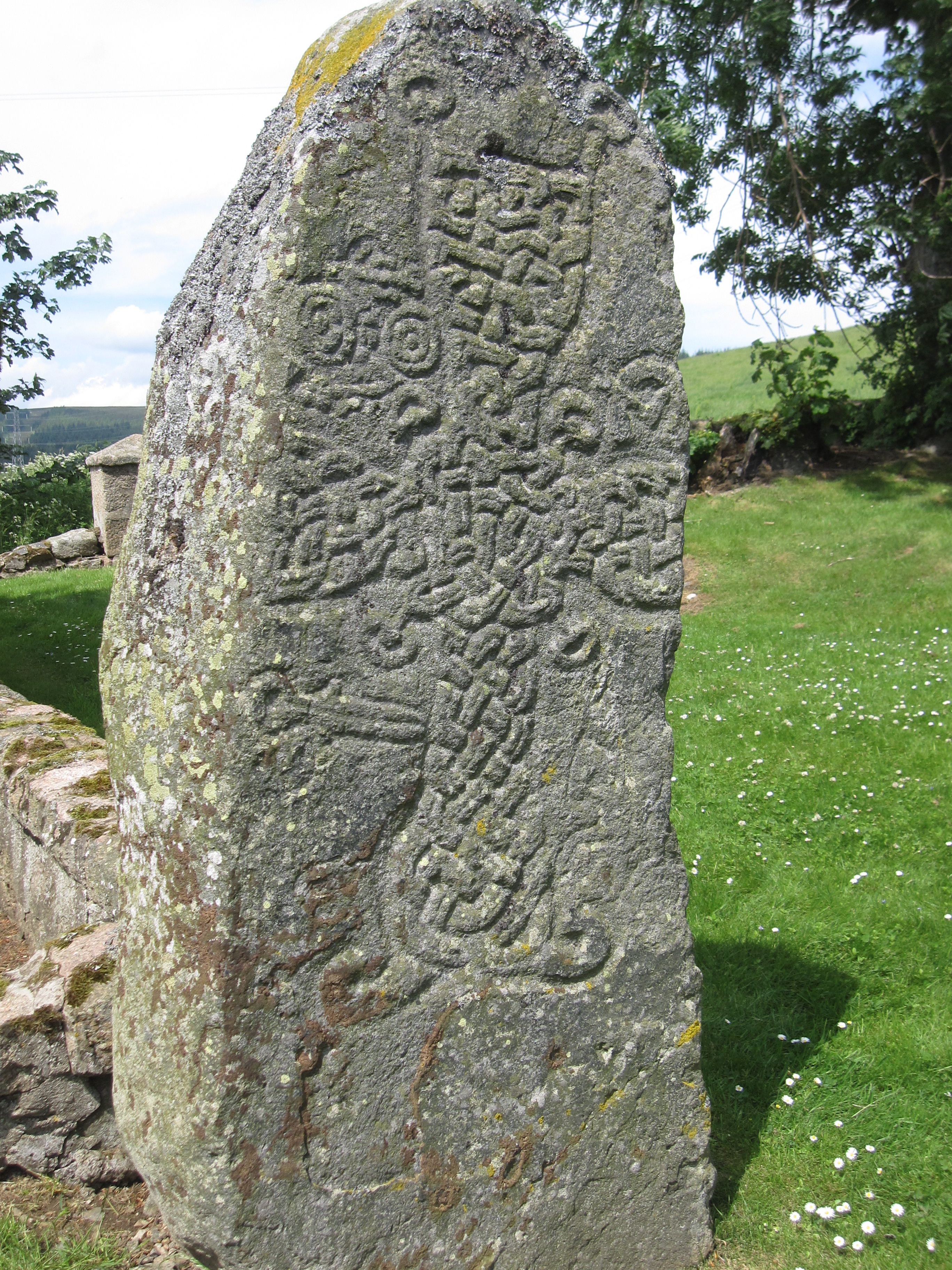
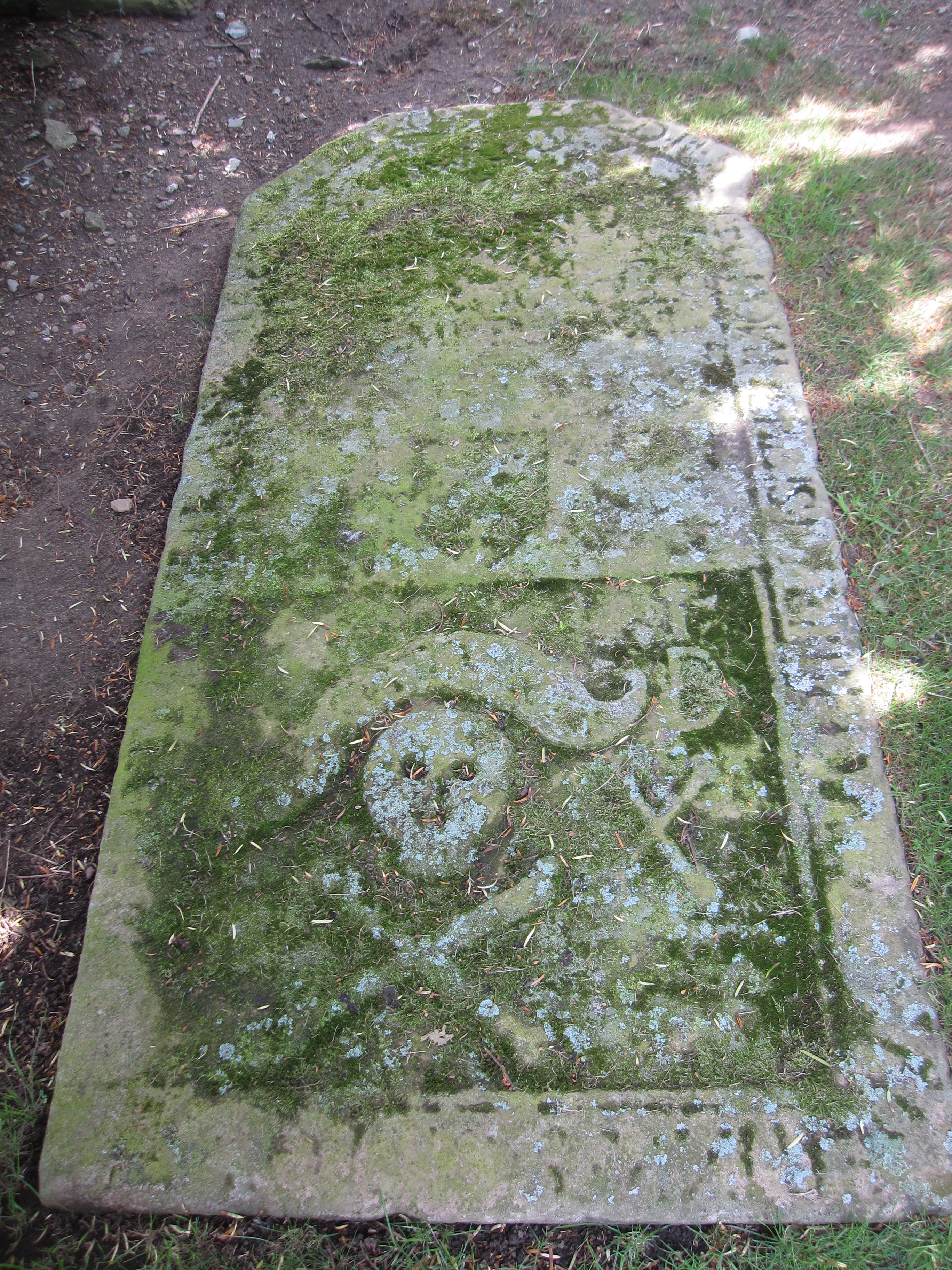
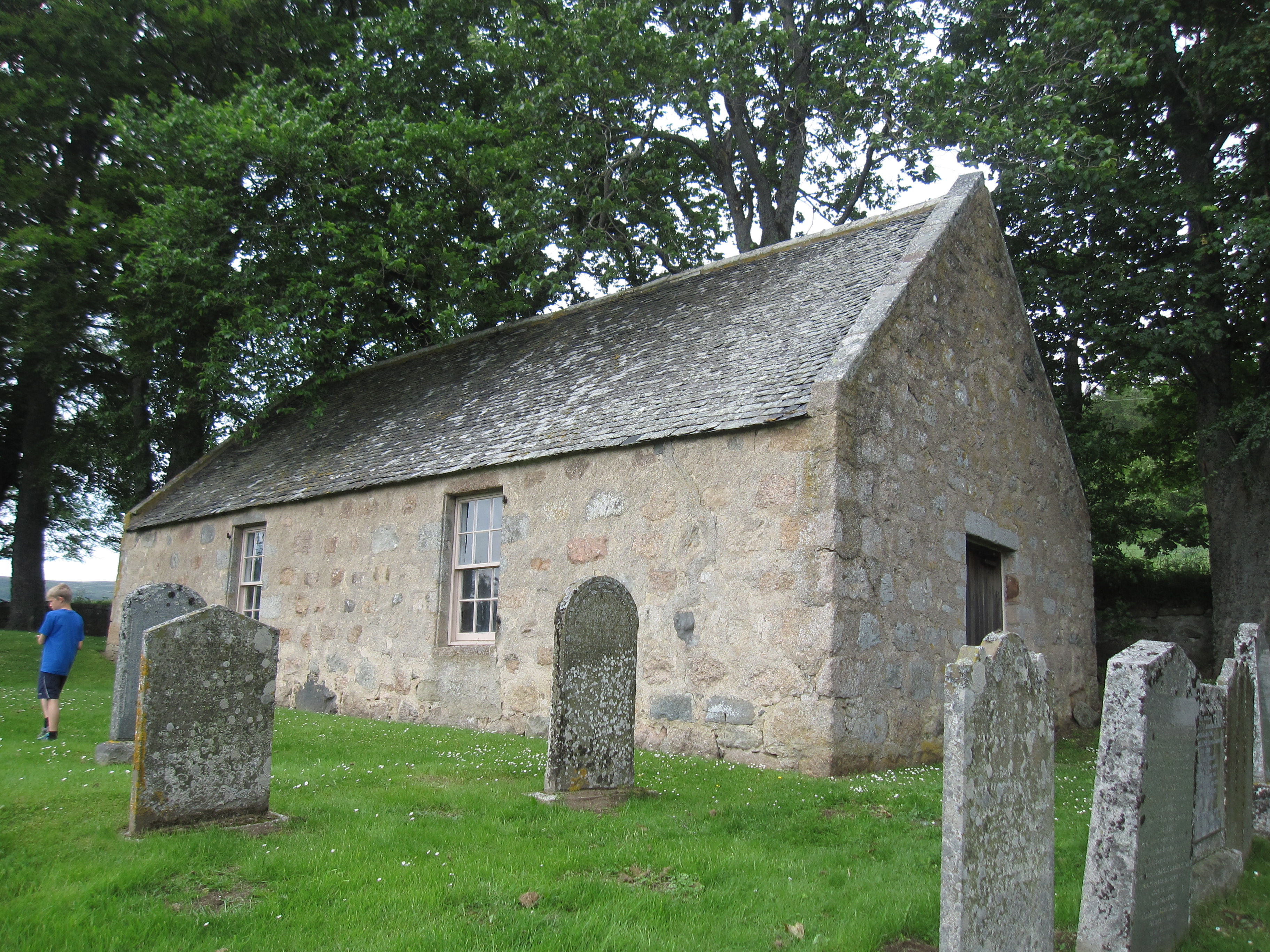
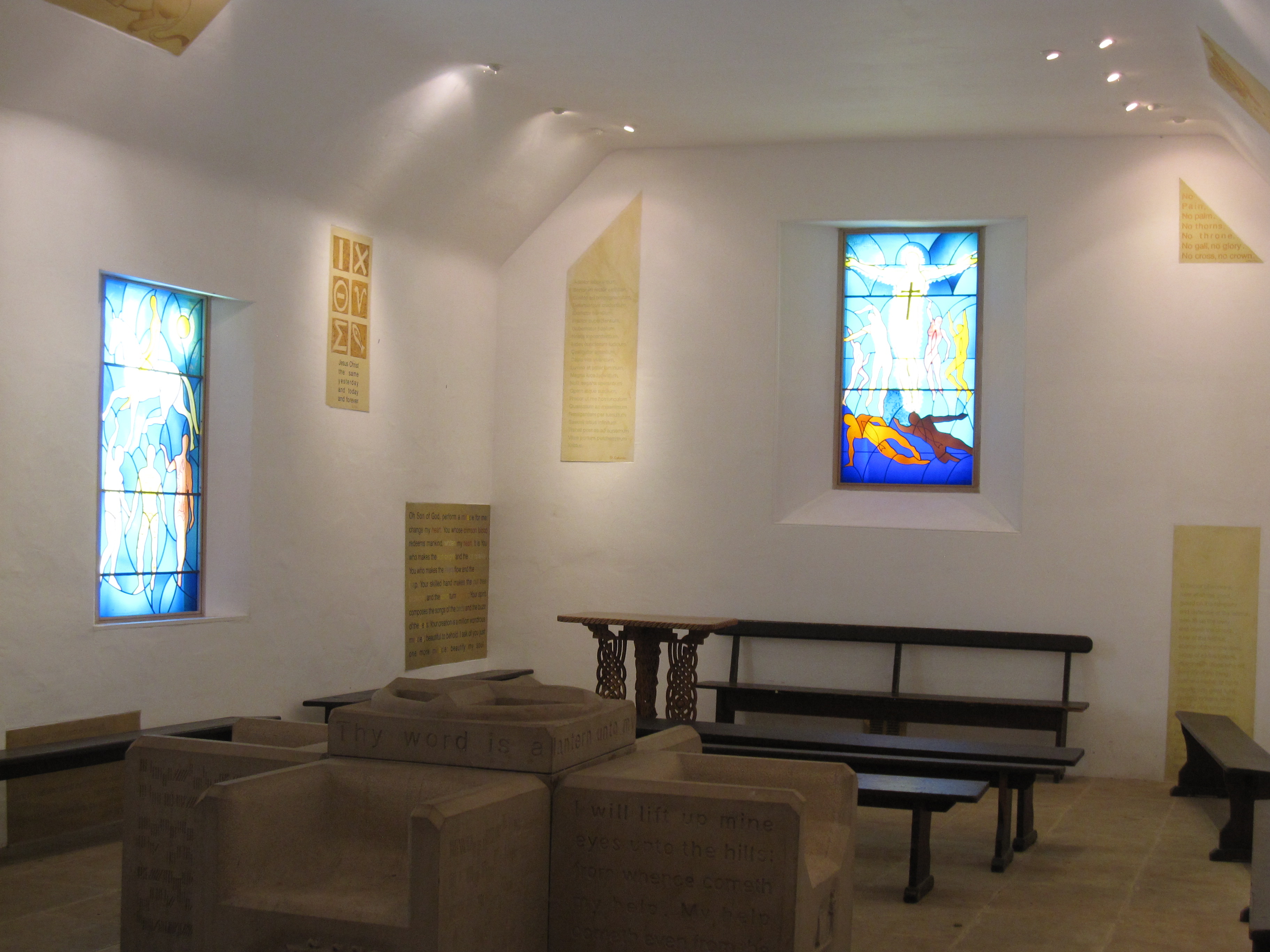
We tracked down Migvie Churchyard in search of this Pictish symbol stone, which was well worth seeing. There was an interesting 17th-century graveslab nearby too. There was, we noted, no sign outside the church, but it’s always worth trying the door of a country church. What we found inside was utterly astonishing.

IMG_5622IMG_5619

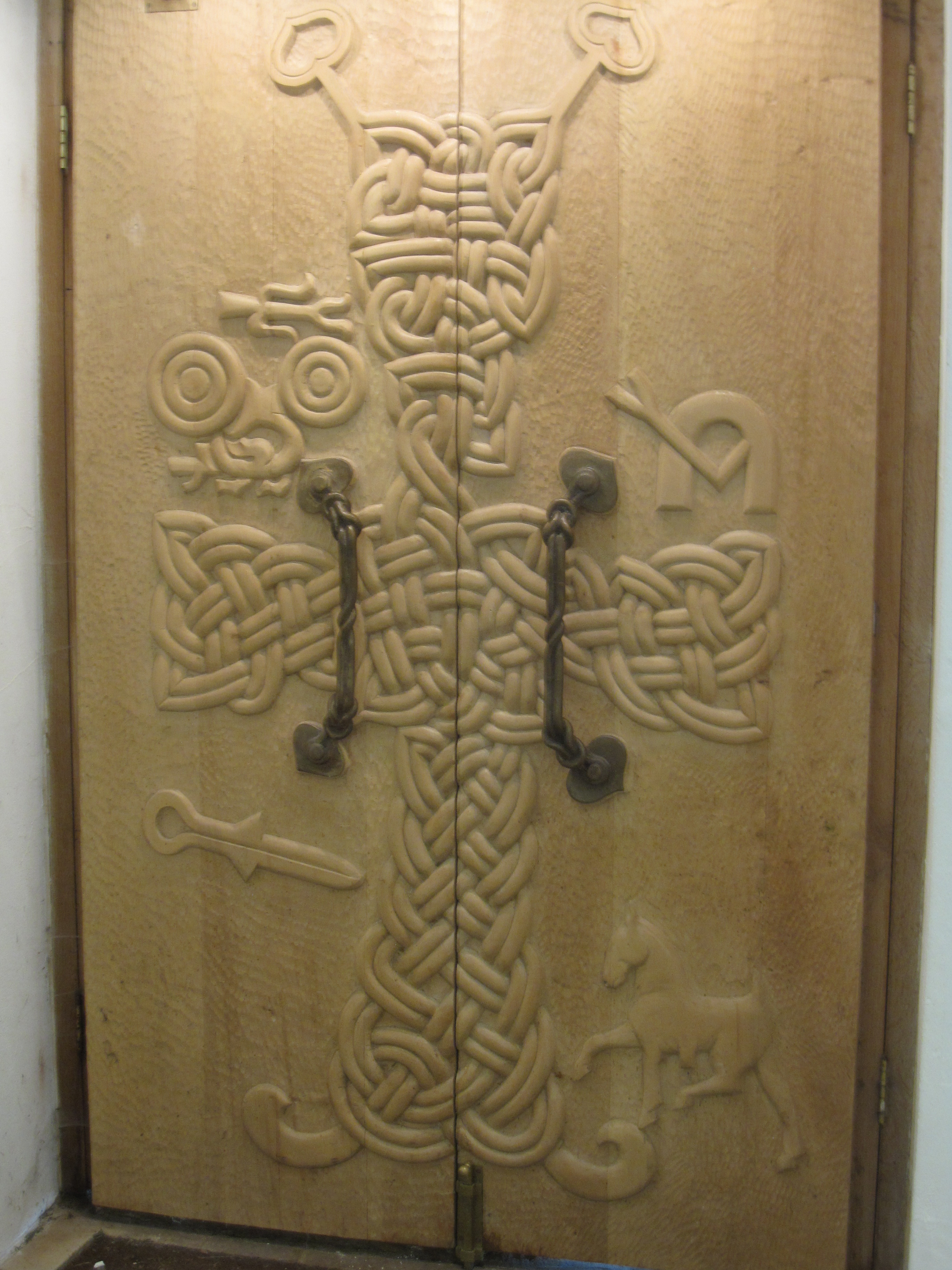
The building was painted white, lit through beautiful coloured stained glass windows, and furnished and decorated with painting, stonework and woodwork which incorporated many Celtic and Pictish saints and symbols as well as verses from Scripture and other writers.

It turned out to be the work of local craftspeople, commissioned by Philip Astor (of the Astor family, and married to the writer Justine Picardie), who owns Tillypronie estate, as a memorial to his parents. I’m not sure how it is used, but it was a place of real beauty and peace, thought-provoking, and somewhere I could easily have spent far longer than we were able to.

IMG_5615IMG_5616IMG_5611IMG_5617

Glen o’ Dee Hospital

IMG_5579

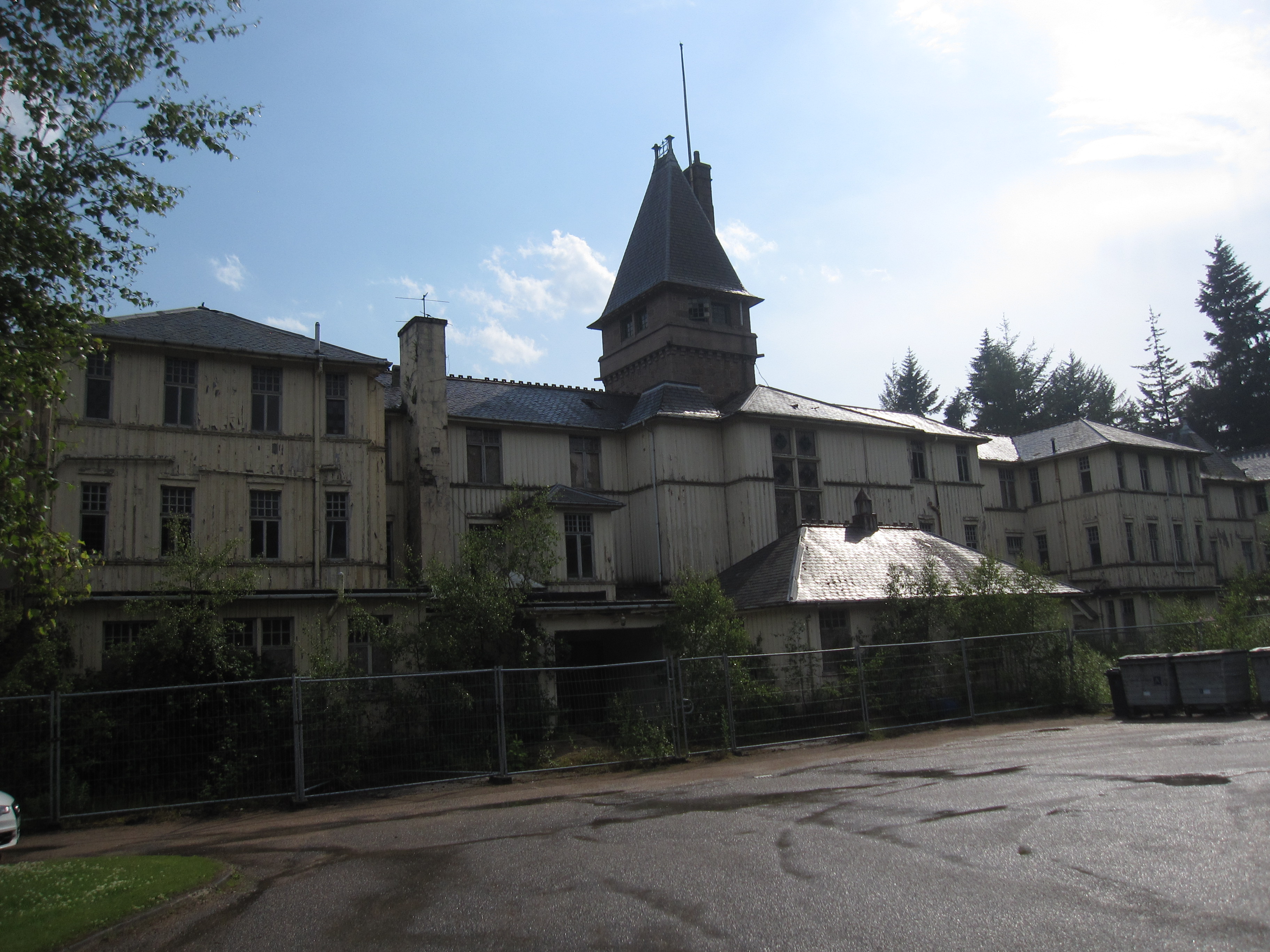
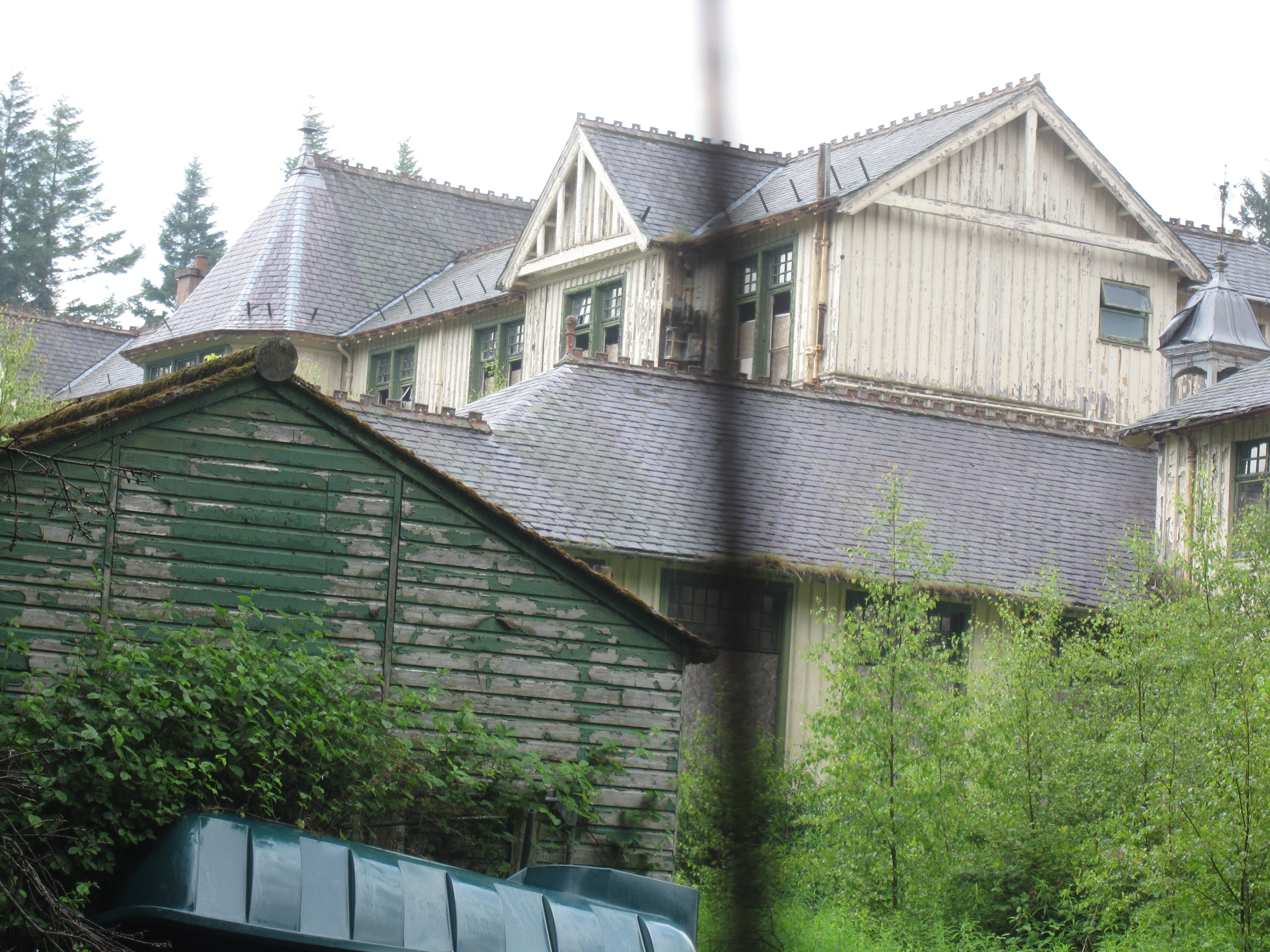
A complete contrast, this one, but another unexpected discovery. I had come across the name of this former tuberculosis sanatorium during the course of some research, and when we saw the signpost we decided to take a quick look. I’m not sure what we expected to find, but my photos definitely don’t do this unusual building justice.

IMG_5583

IMG_5581IMG_5577

You can see an image of how it looked originally here, and some photos of the abandoned interior here. Resting among the pine trees on the edge of Banchory, the sanatorium was built in 1899-1900, and modelled on the pioneering sanatorium built in Nordrach in Germany. It was originally known as Nordrach-on-Dee, and was intended to provide fresh air, treatment and research in the battle against the scourge of tuberculosis. As treatments changed and the disease became less common, the sanatorium was no longer needed. Since then the building has had a spell as a luxury hotel, and then was used once more as a sanatorium during the Second World War, before becoming a convalescent hospital. It finally closed in 1998. This stunning building is Grade A listed so can’t be demolished, but instead is crumbling slowly into total decay. Apparently it featured unsuccessfully in the 2003 TV series Restoration, but it’s a tragic loss of an unusual and fascinating building.

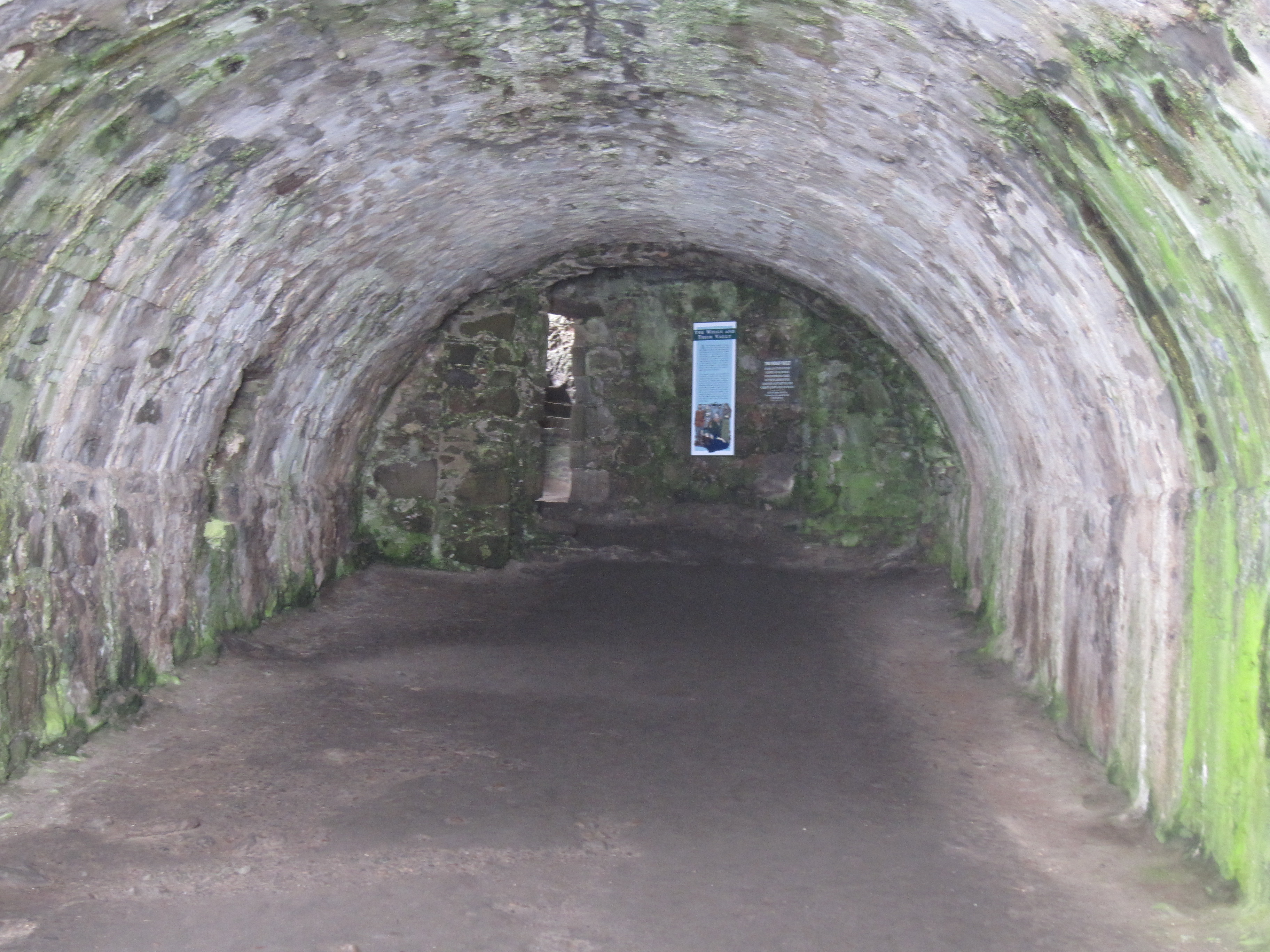
The Whigs’ Vault, Dunnottar Castle

This one was top of the list of places I wanted to visit. My ongoing, long term writing project touches tangentially on some of the Covenanters who spent six weeks imprisoned in horrendous conditions in a vault in this inaccessible castle. Dunnottar sits in a spectacular location on the cliffs, almost completely surrounded on three sides by the North Sea, and can only be accessed by a narrow path and steep steps.

IMG_5701

We had a prior engagement with some puffins at Fowlsheugh a little further south. We basked in sunshine as we walked along the cliff edge spotting razorbills, guillemots, kittiwakes and the elusive, wonderful puffins, then drove back up to Dunnottar. It was a perfect summer’s day.

IMG_5677

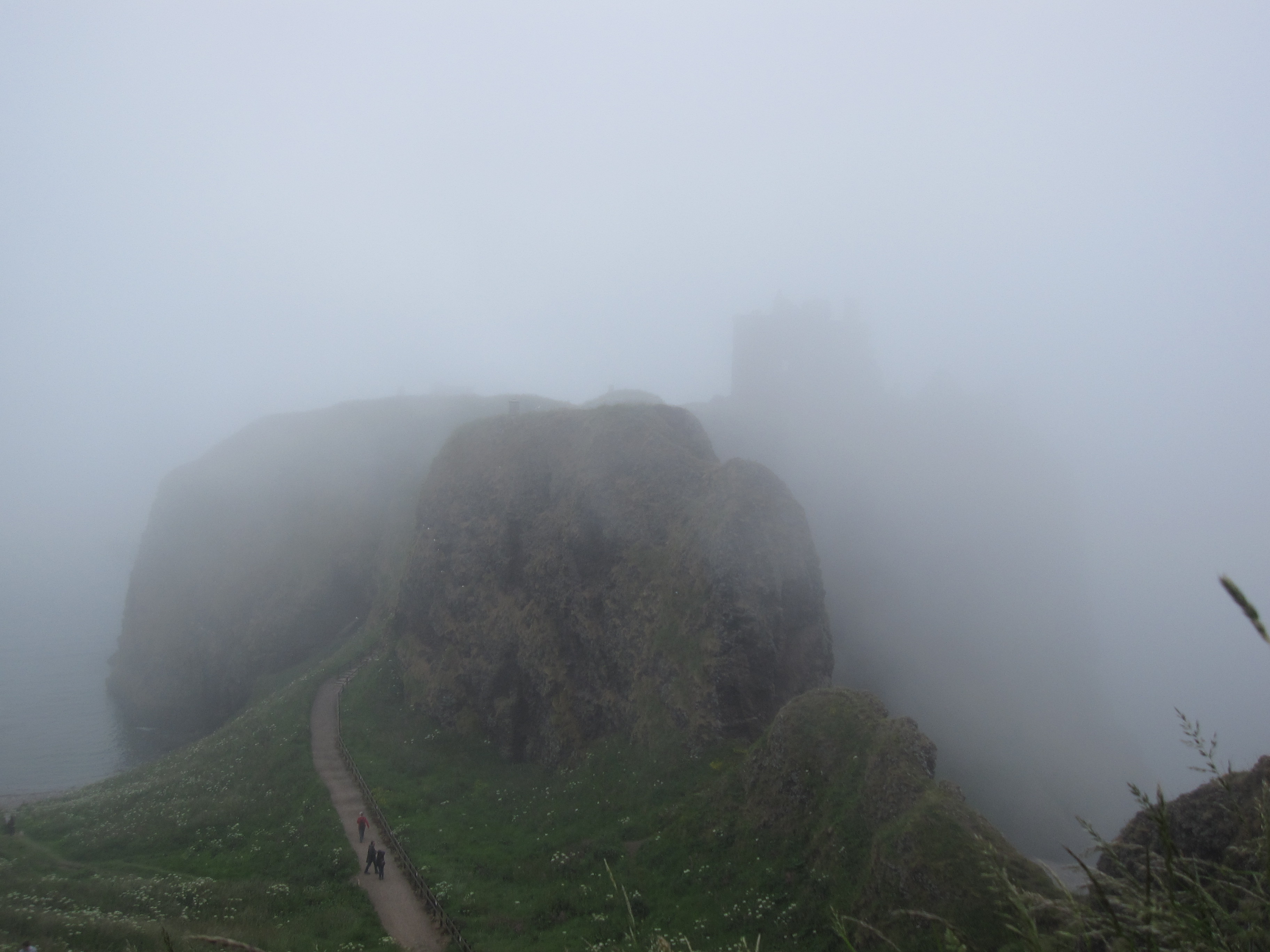
But this was the view when we reached Dunnottar, just five or ten minutes up the coast.

IMG_5709

A bit unfortunate for the poor people who were trying to celebrate a wedding on the cliffs overlooking the castle.

IMG_5784

The east coast haar remained stubbornly persistent throughout the rest of the afternoon, so we didn’t get the full effect of being surrounded by the sea – but in some ways the swirling mist added to the atmosphere. And nothing could remove the resonance of standing in the vault where over 150 Covenanters who had survived the walk from Edinburgh were imprisoned, with no sanitation and little food and water.

IMG_5753

In Lewis Grassic Gibbon’s Sunset Song, Chris and Ewan spend a day at Dunnottar:

There the Covenanting folk had screamed and died while the gentry dined and danced in their lithe, warm halls, Chris stared at the places, sick and angry and sad for those folk she could never help now, that hatred of rulers and gentry a flame in her heart, John Guthrie’s hate. Her folk and his they had been, those whose names stand graved in tragedy.

Much to think about, much to work on.

© All content copyright Flora Johnston. You may reblog or share with acknowledgement, but please do not use in any other context without permission.

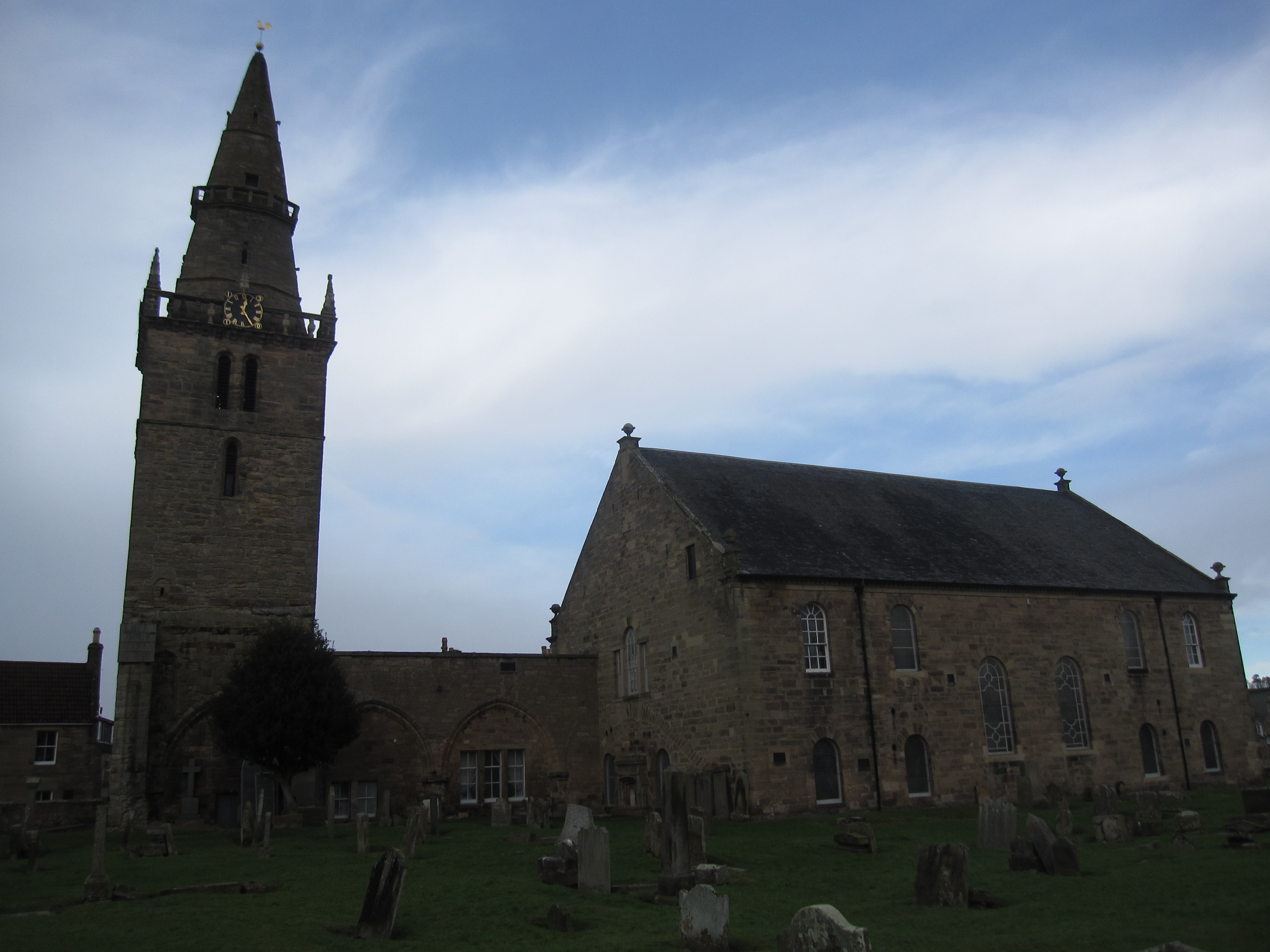
Cupar Old: the cover

It’s exciting to get a first look at the cover for my book about Cupar Old Church. They’ve done a good job, I think. The launch will be on 21 March.

Cupar


© All content copyright Flora Johnston. You may reblog or share with acknowledgement, but please do not use in any other context without permission.

Cupar Old: six hundred years

I’ve another wee book coming out soon, this time the story of Cupar Old Parish Church in Fife, which this year celebrates its 600th anniversary.

IMG_8406

I wrote the book for them back in 2013, but the plan was always for it to be published early in 2015, and it should be launched in March. As an important Fife town in its own right, and a near neighbour to St Andrews, Cupar had many fascinating stories to uncover. It’s always interesting to see how major national and international events like the Reformation and the 17th century conflicts played out in one local situation.

Some of the research for this one involved going to St Andrews, and consulting records in the University’s Special Collections reading room – which at that time was a cramped and draughty portacabin! Since then, however, the Special Collections have moved into what used to be Martyrs’ Kirk in North Street. I worshipped there for a while when I was a student, so I’m sorry it wasn’t open yet when I was doing this work- I’d love to do some research there. It looks amazing in the image below, from the university website. I’ll just have to find a new St Andrews project!

martyrs-m

© All content copyright Flora Johnston. You may reblog or share with acknowledgement, but please do not use in any other context without permission.