Over the last week or so I’ve posted a series of #OTD posts on X and Instagram. In 1919, this was a big week for the world, and for the characters in The Paris Peacemakers. Here’s a wee summary:
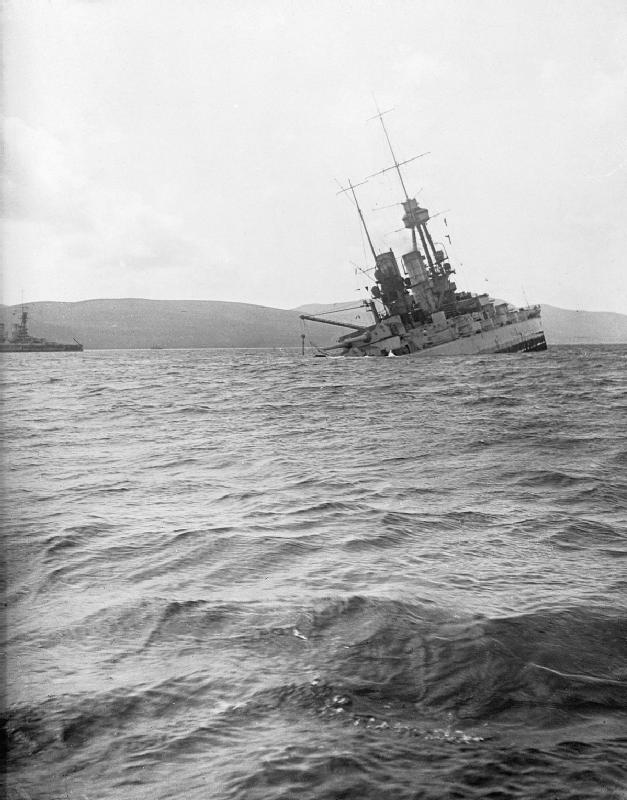
21 June 1919: In Scapa Flow the German navy sink their own ships rather than hand them over as part of the treaty being finalised in Paris. In Orkney to see if they can salvage their relationship, Rob and Corran watch the astonishing sight.
22 June 1919: Will the Germans sign the treaty? The city of Paris, not content with negotiating world peace, is concurrently hosting the Interallied Games. It’s a sporting celebration of peace and friendship although some events, like hand grenade throwing, are unexpected. Meanwhile Clemenceau and Woodrow Wilson miss the opening ceremony to plan their invasion of Germany, should the Germans refuse to sign.
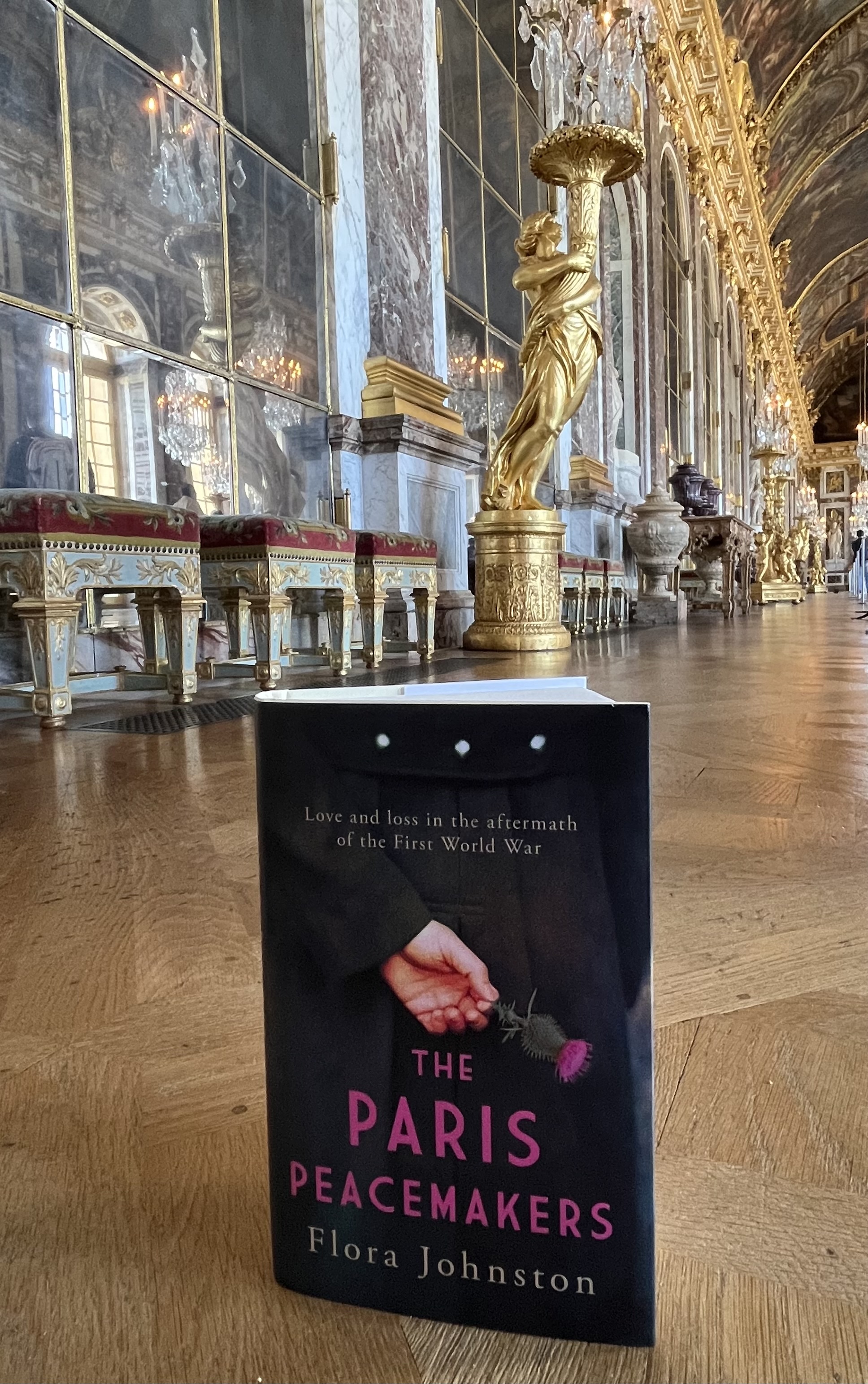
28 June 1919: The Treaty of Versailles is finally signed, casting its long shadow over twentieth century history. Stella & the other typists travel out to the Palace in charabancs, wondering if the rumours that Germans will shoot themselves rather than sign are true. Can this treaty reallly bring lasting peace?
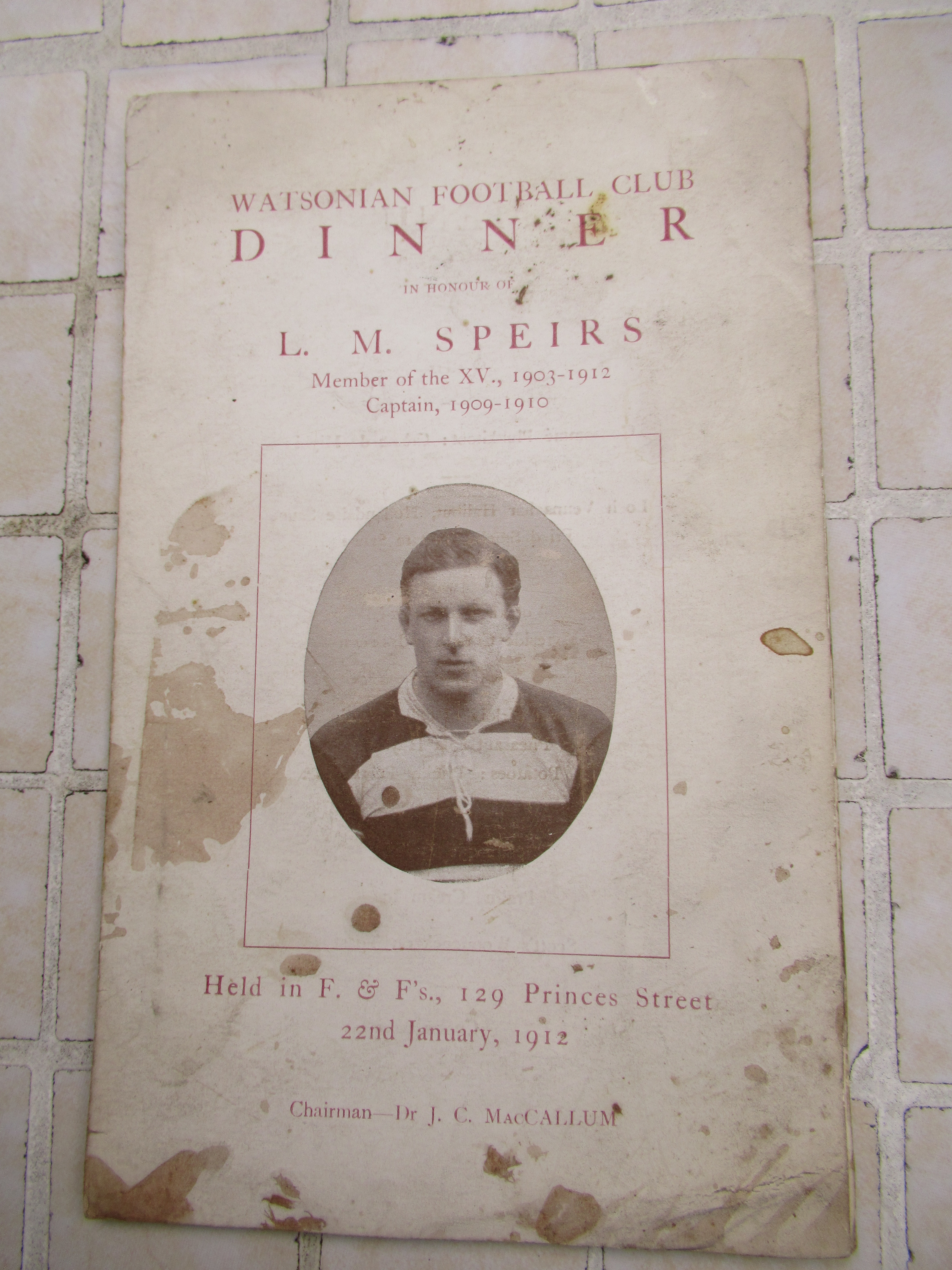
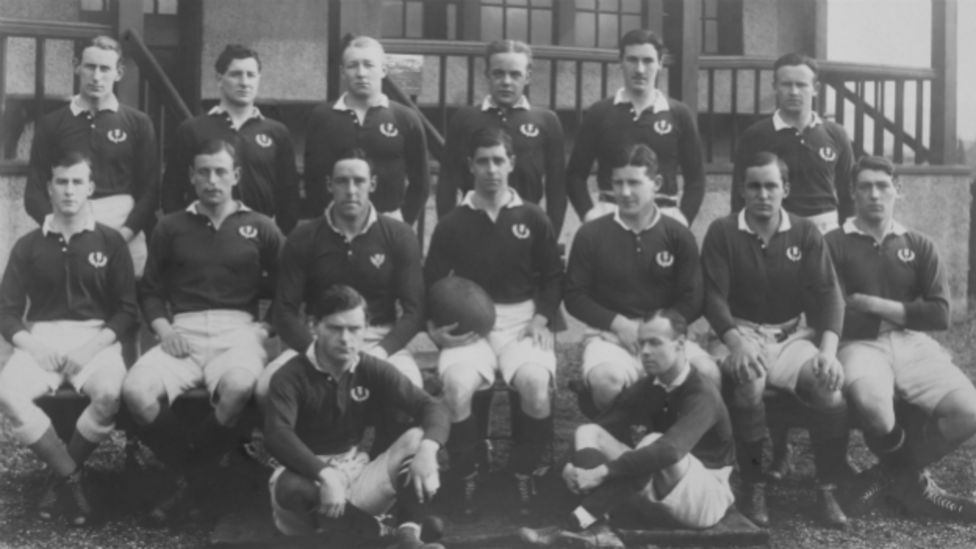
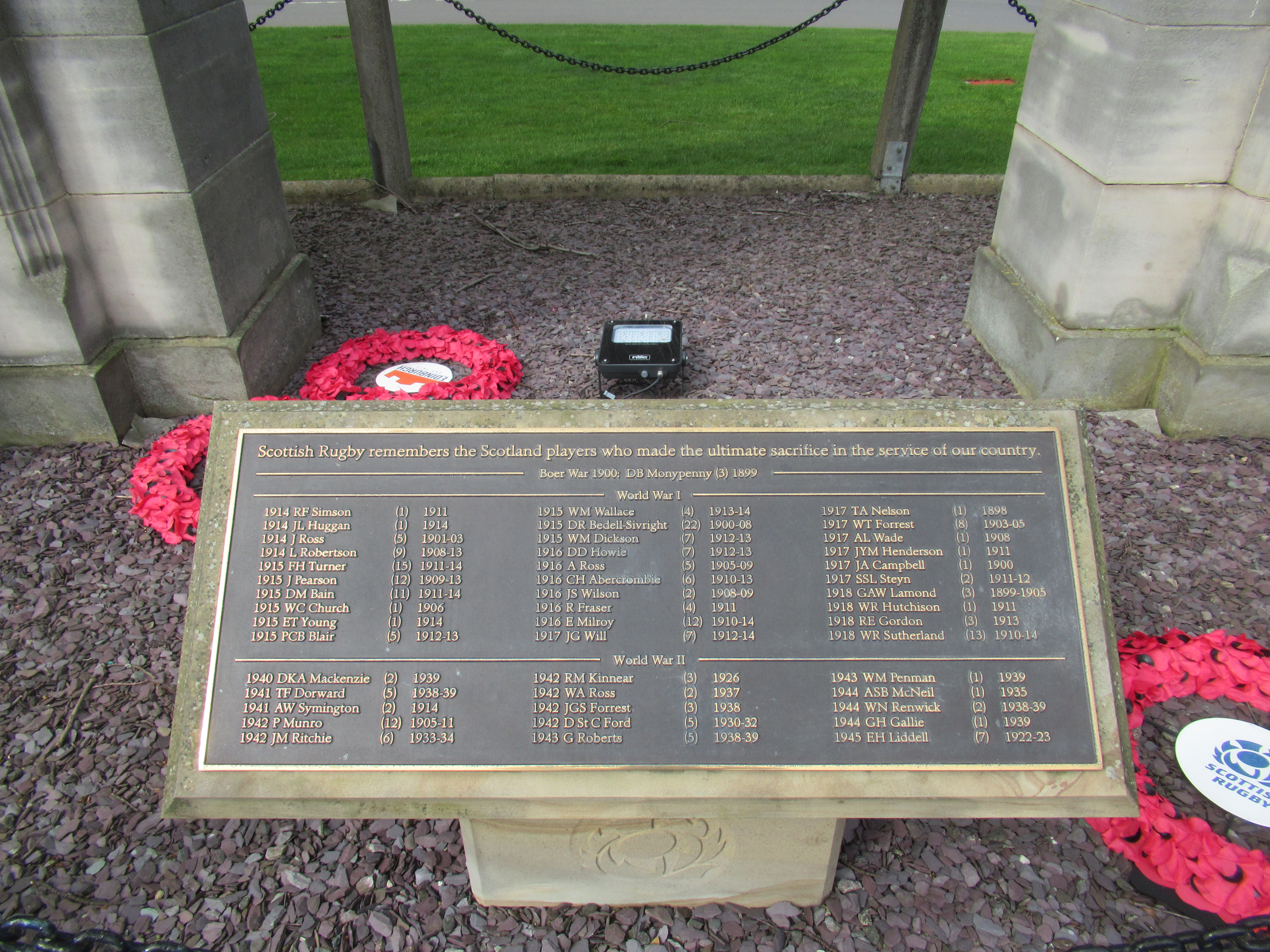
29 June 1919: The rugby tournament at the Interallied Games reaches its conclusion and Rob and Gus go along to the final. It’s the first match Rob has watched since the guns fell silent. He can barely comprehend that so many of his teammates are now dead. Will he ever be able to pull on the thistle again?
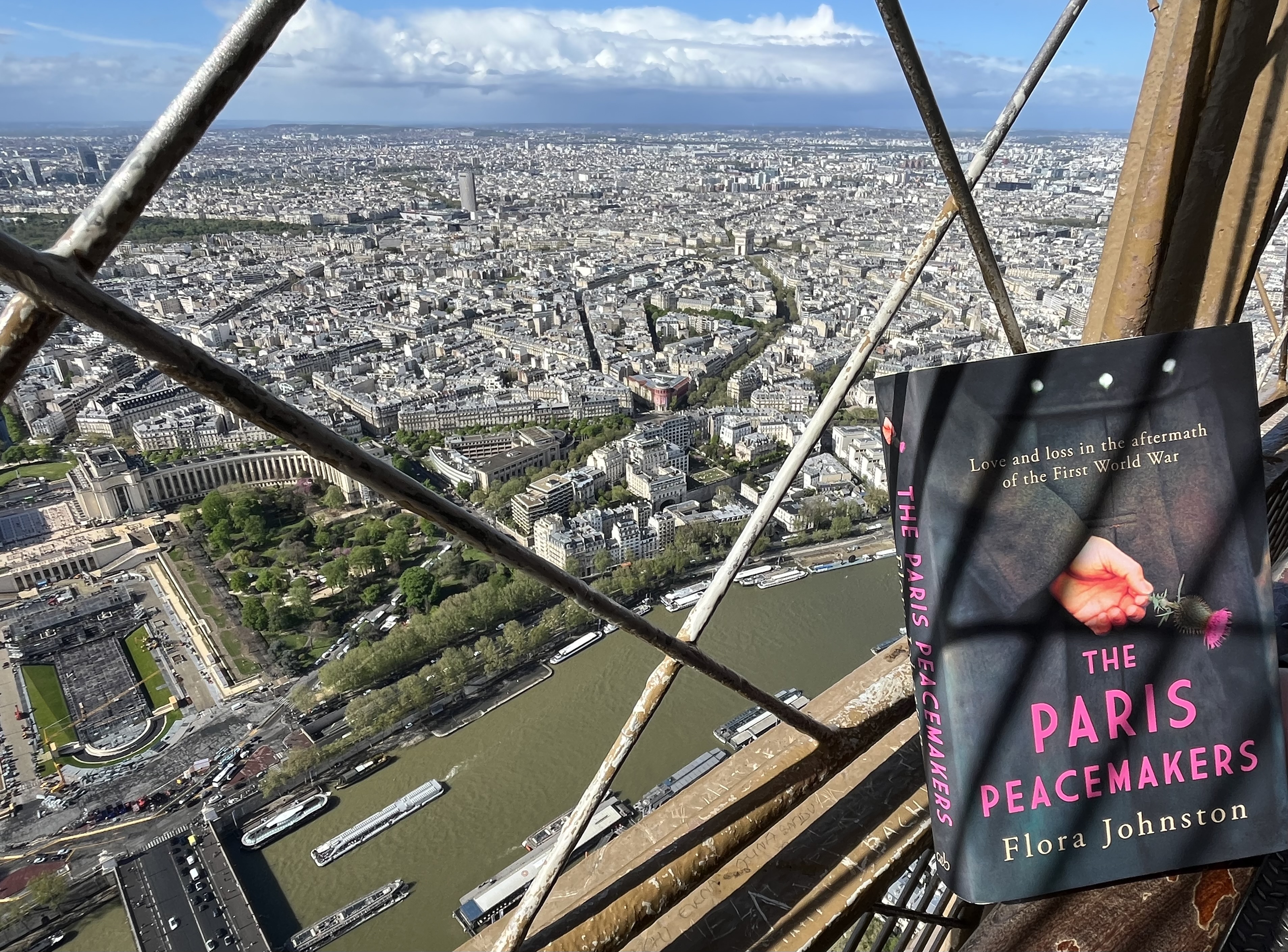
The Paris Peacemakers is available now in hardback and kindle from all good bookshops!
It’s the hottest day of summer so far, the kind of day when the tar used to rise up in sticky black bubbles and your ice pole melted before you got halfway down.
I climb the steps into the shadowy vestibule of Townhill Church, which played a huge part in my life between the ages of six and fourteen. It’s open to visitors for a few days before it closes for ever, part of a wider programme of readjustment in the Church of Scotland.
Stepping into my past, I sit down on a pew close to where my dad and I used to sit on Sundays. The memory tumbling to the fore is not of sitting sedately, though, but of two children – my friend and I – sliding along these varnished pews and diving beneath them as we played (probably Famous Five or Narnia) while the adults rehearsed their Easter play.
That’s the context for so many of my memories. My friend’s family were closely connected to the church too, and we spent a lot of time around this building! Too young to be left at home, you might find us at the back of meetings or praise nights or on this occasion rehearsals, lost in our world of imagination but absorbing the world around us too.
I remember the two of us at the Watchnight service, fizzing with anticipation and straining to see the watch on the wrist of the man in front of us as the seconds ticked agonisingly slowly towards midnight.
I remember us playing Narnia in the grounds, squeezing along the gap between the small hall and the hedge surrounding it. I remember us changing words to hymns to make them fit whatever game we were immersed in at that time.
Any child in church spends long hours looking at patterns, windows, details. In Townhill the stained glass windows are meaningful. I look at them again today, so familiar, and wonder what will happen to them? They testify to the history of this village, depicting a miner, a farm worker and a woman at her spinning wheel – labourers in the main industries which were the daily lives of people who worshipped here. Male and female, and (a vibrantly dressed) Jesus extends his tender invitation – Come unto me all ye who labour and are heavy laden and I will give you rest.
My gaze moves from the stained glass windows to the pulpit below. In 1978 the congregation at Townhill was bold enough to welcome a woman into that pulpit. My mother. She was one of the early Church of Scotland women ministers, the first to take on the role with a husband and children. Hers is a fascinating story of being conscious of her calling from her earliest days, when it seemed impossible. Ministers were men. After many twists and turns she went to university to study Divinity when I (youngest of four children) was three. ‘You won’t get a dead church calling a woman,’ a colleague told her, and so it transpired. I’m proud to be her daughter. A few weeks before the publication of my first novel What You Call Free, it dawned on me that it perhaps wasn’t surprising that one of my main characters, Helen, was a strong woman of faith.
There are doors on either side of that pulpit, leading through to the hall and to a vivid kaleidoscope of memories. Junior Youth Fellowship and crazy, intense early high school years: lasting friendships, who fancies who, laughter and tears, and the most generous leaders imaginable. Bacon rolls after the Easter Dawn Service. Coffee mornings, concerts, our production of Joseph and his Amazing Technicolour Dreamcoat to which I still know all the words. Other groups used the halls too because this is a church rooted in its community. Lots of events – but mostly it’s the people who stand out, and some dear people here showed me what church is meant to be, living out their faith in love and service. I’m very aware that’s not everyone’s experience of childhood in church, or of growing up in a manse, and I’m grateful. It could sometimes be a struggle to fit in at school, but here I belonged.
I speak with the women who are here this afternoon to welcome visitors to the church. I look at displays of photos and records. For me this visit is about nostalgia and memory. I’ll move on. For people in communities up and down the country who have living, generational connections to church buildings which are being closed, feelings of grief, loss and anger are profound. This is a Beeching-like moment in the cultural heritage of Scotland, as many buildings with long community stories disappear into private ownership. In some places there is time and space to explore alternative uses of these buildings by their communities, or by independent churches which are thriving and growing outwith the Church of Scotland. I hope we see more of that.
I turn to leave for the last time. The church to which I now belong has signs above the doors as you walk back outside saying ‘You are now entering a place of worship’ – a reminder of what I first learned right here in Townhill, that faith is lived out beyond the building. It’s sad to see this church building close. I’m grateful for all it gave me. I know the newly formed congregation of Dunfermline St Columba’s will continue to do really good things to reach and bless and support their community, moving forward in a changing landscape. I believe that the God who leads us is thankfully much bigger than all our buildings, all our schemes, all our human frailties and failures, and that’s why there is still hope. He is the God of the resurrection after all.
Down the steps and through the garden, passing between mature trees which have been here for a very long time. As I open the gate the war memorial is adjacent, facing onto the main street, and I think about the young men it commemorates who also knew this building.
That’s when I catch another glimpse of us, those two children in the early 1980s. Perhaps there’s a wedding on (insider knowledge!) so we’re hanging about the church gates in the hope of a rushie, before haring off somewhere on our bikes.
I walk away through the summer heat towards my car.
I went on holiday the morning after the book launch so haven’t had time until now to post some pictures. What a lovely evening we had at Blackwell’s in Edinburgh launching The Paris Peacemakers into the world. I remember James Thin’s as a kind of paradise from childhood visits , so it was the perfect location! Thank you so much to Matthew of Blackwell’s for hosting.
Jenny Brown chaired the event superbly, and it was great to dig a little more deeply into The Paris Peacemakers, to explore the three characters of Corran, Stella and Rob and some of the main themes, including the desperate need for peace and the impact of war, the fate of the 1914 Scottish rugby team, and opportunities for women. Thank you so much to everyone who came along and joined in.
The Paris Peacemakers is set in France and in Scotland in 1919. It follows the stories of three Scots as they attempt to pick up the pieces of their lives after the trauma of war while politicians attempt to rebuild the world they have shattered.
I’m really pleased with the reception so far, with some lovely reviews on NetGalley, Goodreads, Amazon and Waterstones. If you haven’t read The Paris Peacemakers yet please do get hold of a copy (hardback, e-book or audio), and if you have it really helps if you can leave a review.
Meanwhile, time to get back to work on the sequel!
The launch event for The Paris Peacemakers will take place in Blackwell’s Edinburgh at 7pm on Wednesday 1 May. Tickets available here.
Paris 1919: they need to rebuild the whole world, but can Stella, Corran and Rob pick up the pieces of their own lives?
Come along for an evening of conversation which promises to range from Thurso to Paris, from out of touch politicians to Scottish rugby players, from the devastated battlefields to the glittering Palace of Versailles.
There’s nothing quite like receiving the first printed copies of my new book!
The Paris Peacemakers will be published by Allison and Busby on 18 April, and is available to preorder now from all the usual places.
Set in 1919 against the backdrop of the Paris Peace Conference, it tells the story of three Scots as they try to rebuild their lives after the trauma of war, as the politicians try to reshape the world they have shattered.
I’m really looking forward to sharing Stella, Corran, Rob and their stories with you!
It’s been an exciting week. I was delighted this week to be able to share that my next novel, The Paris Peacemakers, will be published by Allison and Busby in April 2024, with the sequel following early in 2025.
Lesley Crooks, publishing manager, acquired world English rights from Jenny Brown at Jenny Brown Associates. The Paris Peacemakers will be published in April 2024 with the second book following in early 2025.
“Its backdrop of the Treaty of Versailles, as international politicians attempt to rebuild the world they have shattered, will resonate strongly with our world today,” said Brown. “It also explores the little-remembered fate of the Scottish rugby team, swept up in war fever and mown down in battle.”
Johnston’s novel follows two sisters — Stella and Corran Rutherford — and Corran’s fiancé in the aftermath of the First World War. It was inspired by the Scottish rugby team which was “decimated” during the war and the letters written by Johnston’s great-aunt who worked as a typist at the Paris Peace Conference.
Crooks said: “It was such a pleasure to step into the vivid world Flora created and be introduced to her characters, who you can tell Flora knows inside and out. The Paris Peacemakers was remarkably assured and weaves together three compelling storylines tackling grief and the fragile hope of the post-war period.”
Johnston added: “There are many books about the horrors of war, but I wanted to explore what comes afterwards. How do we pick up the pieces: emotionally, ideologically, politically? It was a particular pleasure to draw on the letters of my great-aunt who, along with many other young women, swapped grubby wartime London for the glamour and intrigue of life a life as a typist at the Paris Peace Conference.”
It’s September, it’s officially autumn and the Edinburgh Book Festival is over. August is the month when I appreciate living in Edinburgh most (along with during the Six Nations!)
I’m excited though to share a range of events that I’ll be taking part in over the next few months. First up on 26 September there’s another chance to come along to a Ringwood panel event on Writing, Editing and Publishing. When we held this in Stockbridge Library in June it was a great evening so we’re running it again in Leith Library this time. If you’re having a go at writing or interested in a career in publishing, come along and join in the chat.
On 7 October I’m delighted to be taking part in the inaugural Edinburgh Women’s Fiction Festival. This exciting venture showcasing women’s writing takes place from 6-7 October and you can explore the full programme here. The organisers have generously chosen to highlight some debut fiction alongside established writers, and I’ll be reading from What You Call Free immediately before the Historical Romance panel with Catherine Hokin and Helen Swan on Saturday morning.
Next up is Book Week Scotland and I’m really excited on Monday 13 November to be sharing in a panel event with some other fabulous Ringwood writers: Rob McInroy, Carol Margaret Davison and L.A. Kristiansen. We’ll be discussing Historical Fiction: forgotten voices. Come along!
And finally (for now) on Monday 20 November I’ll be combining my writing with my day job and speaking to the Davidson’s Mains Monday Club at Davidson’s Mains Parish Church (where I work part time) about What You Call Free. All welcome – I can guarantee these ladies will give you a warm welcome and a good cup of tea!
Full details of locations, dates and times are available on my events page.
It’s been exciting this week to share the news that I’m now represented by Jenny Brown of Jenny Brown Associates, and I’ve been so encouraged by the positive response from the writing community. It’s not surprising though – I’ve been gradually trying to make my way in this world for quite a number of years now, and have always found the writing community here in Scotland and more widely to be a supportive place.
As well as being beyond delighted to have Jenny as my agent, it’s been rather strange this week to have information about my second novel out there in the public domain! I’ve been living in the world of The Paris Peacemakers for the last couple of years, but have so far shared very little about it. The novel was in part inspired by letters written by my great-aunt, who was a typist at the Paris Peace Conference in 1919. Most of the action takes place in Paris, but I started working on it early in 2020, just before Covid struck. It wasn’t until March 2022 that I was finally able to travel to Paris and see the places that I’d been writing about, and I remember vividly the emotional feeling of walking up out of the Metro Station and right into my novel.
It was lovely this week to receive some photos of this display in the William Patrick Library in Kirkintilloch. These wonderful pieces of writing were created by participants in the workshop I led in March on using historical sources as inspiration for creative writing. It was amazing to see the variety of writing – poetry, memoir, short story and more – which was created in such a short space of time.
I’m really looking forward to leading this workshop in Kirkintilloch on 6 March as part of East Dunbartonshire’s brilliant local history month.
Our archives and museums are treasure troves of stories. Photographs, newspapers, records, objects …. each of these can open a door onto the lives of people of the past. I’ll share a little about how objects and records first drew me to the stories of Jonet and Helen, the 17th-century women who feature in my novel What You Call Free, and then we’ll have a dip into the East Dunbartonshire collections and see where that takes us.
Come along and have a go!
Check out the full Local History month programme here.